
Stirrup Production Efficiency: What Machine Output Really Means
When planning a rebar fabrication operation, one of the first questions buyers ask is: "How much can a stirrup machine produce per day?" The answer, however, is not a single number. Output depends on several variables, and understanding what drives real productivity helps you choose the right configuration for your daily needs.
What Determines Stirrup Production Efficiency?
Stirrup production efficiency is influenced by three main factors: the machine's cycle time, the number of stirrups produced per cycle, and the operator's handling speed. Modern CNC machines, such as Gongda's ZD-6M-25 and ZD-6M-20, are designed to minimize idle time. The ZD-6M-25 features pneumatic automatic locking, while the ZD-6M-20 uses hydraulic locking—both reduce manual clamping time. Additionally, the GDWQ4-15A offers single and double line operation, allowing two stirrups to be formed simultaneously, effectively doubling output per cycle.
Calculating Output: A Practical Framework
To estimate your daily production, start with your required stirrup dimensions and steel grade. Then consider:
- Cycle time per stirrup (bending speed, number of bends)
- Number of stirrups produced per cycle (multi-stirrup capability)
- Loading/unloading time (manual or automatic locking)
- Working hours per day (typically 8–10 hours)
For example, a five-head machine like the ZD-6M-25 can bend multiple stirrups in one cycle, significantly reducing per-piece time. A machine with double line operation, like the GDWQ4-15A, can process two bars simultaneously. However, the actual output also depends on how quickly your operator feeds material and removes finished stirrups.
Match the Machine to Your Daily Demand
Instead of chasing a generic "output per day" figure, define your own daily requirement—how many tons or pieces of stirrups you need. Then, discuss with Gongda's engineers to select the right model and configuration. For high-volume production, the ZD-6M-25 or ZD-6M-20 with five heads and automatic locking will minimize labor. For flexibility with various stirrup shapes, the GDWQ4-15A offers high-speed forming with single or double line operation.
Remember, efficiency is not just about machine speed—it's about integrating the machine into your workflow. Proper training, material handling, and maintenance all contribute to achieving your target output.
To get a precise recommendation for your project, contact Gongda via WhatsApp or email with your required stirrup dimensions, daily tonnage, and production hours. Our team will help you calculate the optimal machine configuration for your needs.
Related search terms
Phrases buyers in this market search for to find the exact machine.
Products
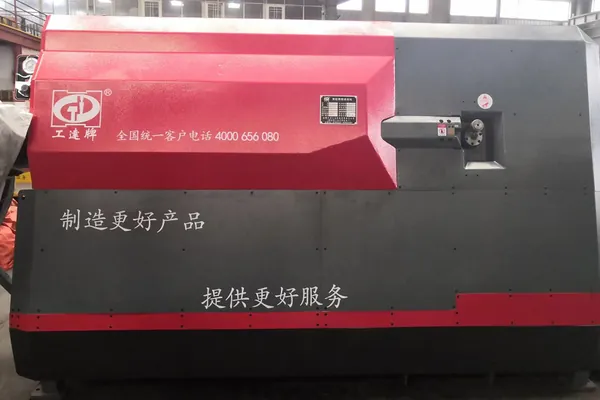
CNC Rebar Forming Machine
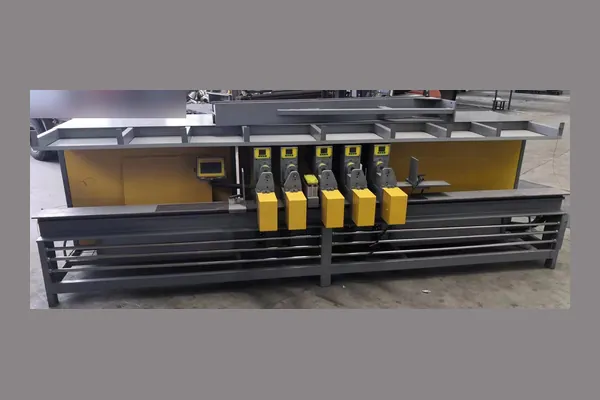
CNC Straightening-Cutting-Stirrup Line
CNC Five-Head Stirrup Bending Machine
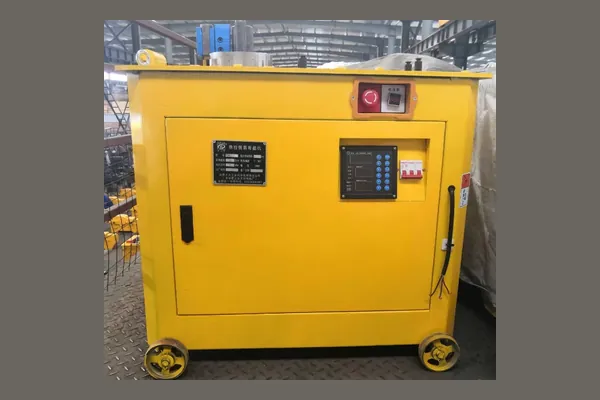
CNC Rebar Stirrup Bending Machine
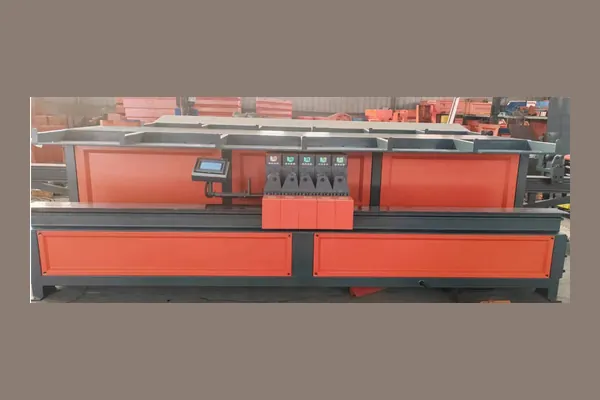
CNC Five-Head Stirrup Bending Machine
More rebar machine buyer guides
How to Choose a Rebar Bending Machine for Your Site
Read guide →Rebar Machine Export from China: How It Works
Read guide →Rebar Bending and Cutting for Tunnel Works
Read guide →Five-Head vs Single-Head Stirrup Bending Machine: The Real Difference
Read guide →CNC Rebar Stirrup Machine for Sale: What to Look For Before You Buy
Read guide →CNC vs Manual Rebar Bender: Which One for Your Shop?
Read guide →All rebar machine buyer guides →
View all 30 guidesStirrup Production Efficiency: What Machine Output Really Means — buyer questions
What is the MOQ for Stirrup Production Efficiency: What Machine Output Really Means?
Usually 1 unit ??these are machines, not consumer goods. We can quote a single unit or a full line.
What is the lead time?
Standard machines ship in 7-15 days; custom or production lines take 20-35 days.
Do you provide certification and documents?
Yes ??CE and ISO documentation where applicable, plus commercial invoice, packing list and CO for customs.
How do I get a price?
Send the model and your country on the request-quote form or WhatsApp; we reply with FOB/CIF pricing and shipping options.