
Rebar Machine Electricity Requirements (380V, 50/60Hz)
Rebar Machine Electricity Requirements: 380V, 50/60Hz, and Generator Sizing for Remote Sites
Most buyers sourcing rebar processing equipment from China ask the same first question: "What power does it need?" The short answer for the Gongda range is 380V three-phase, 50Hz or 60Hz — but the details matter, because getting phase, voltage, or generator capacity wrong is the most common cause of commissioning delays on overseas sites. This guide covers the real electrical specs across the main machine categories, plus practical generator sizing for remote projects in Africa, Latin America, the Middle East, and Southeast Asia.
Standard Power Supply for Gongda Rebar Machines
The default configuration for nearly all Gongda equipment is 380V / 3-phase / 50Hz. This matches the industrial grid in most export markets, including Russia and CIS countries, the Middle East, and much of Southeast Asia and Africa. Key points:
- Voltage: 380V three-phase is standard. 415V (common in parts of Africa and the Middle East) and 440V (common in Latin America) are available as factory options — specify at order, not after delivery.
- Frequency: 50Hz is standard; 60Hz versions are built for markets such as parts of Latin America and the Philippines. Motors, VFDs, and control transformers are matched to the ordered frequency.
- Control circuits: Typically 24V DC or 220V single-phase derived from an internal transformer, so no separate control power supply is needed.
- Certification: EAC certification is available for Russia and EAEU markets, which also confirms the electrical configuration meets regional norms.
Typical Motor Power by Machine Type
Total connected load — not just the largest motor — determines your supply and generator size. Representative figures from real Gongda models:
- CNC rebar bending centers: GJZD6-50CZ (up to 50mm, 420mm working table) and GJZD6-65CZ (up to 65mm) — these are the heaviest draws in the range, with servo and hydraulic systems; plan for a dedicated circuit.
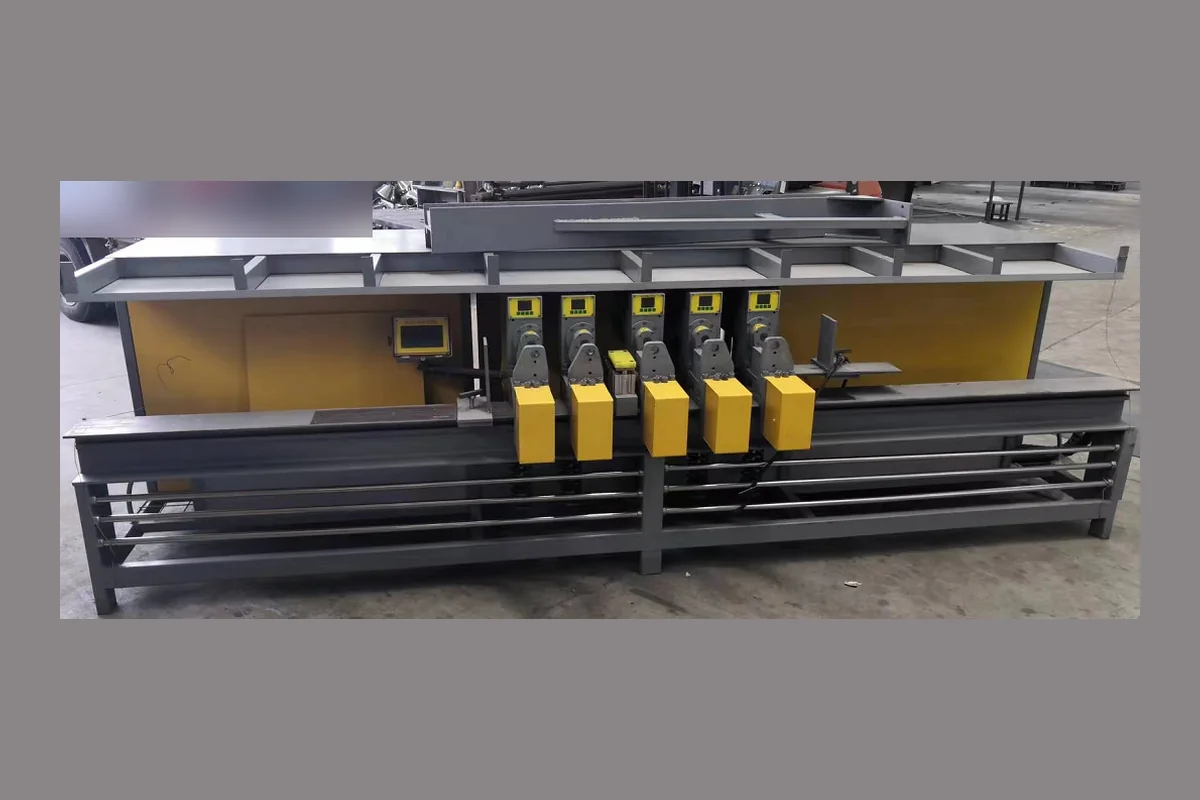
- Stirrup benders: GW25 single-head CNC (round steel up to 25mm); ZD-6M-25 and ZD-6M-20 five-head machines (25mm / 20mm) — multi-head models draw more because several bending heads can run simultaneously.
- Arc bending machines: GWH50CG / GWH50CZN (50mm), SKDZWH-36 / GDWHWQ-36 CNC (36mm) — hydraulic power packs with moderate connected load.
- Bending centers: GDLWZX-32 vertical (32mm) and GDPMW-60 plane bending center (60mm).
- Shearing and cutting: GQ70A cutting machine (70mm, 160-ton shear force), GQ50A (6–50mm round / 6–36mm ribbed), and the GDQX-500 hydraulic rebar shearing production line — the production line is the largest single load and often needs its own feeder circuit.
- Straightening & cutting: YGT4-15A (4–15mm) with VFD — the variable frequency drive means soft starting, so inrush current is lower than a direct-on-line motor of the same rating.
- Band saws and thread rollers: GD-350ZD band saw (350mm) and HGS-40 thread rolling machine (40mm) — relatively light loads, often single-machine circuits.
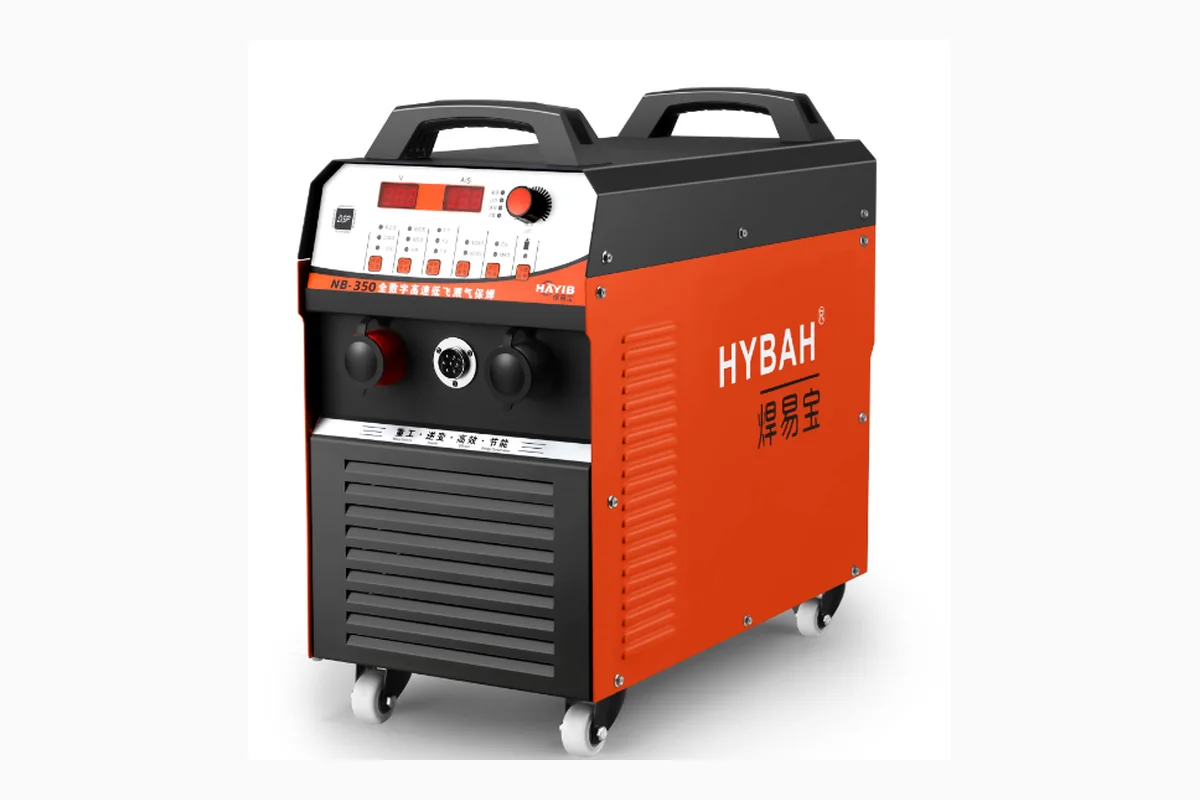
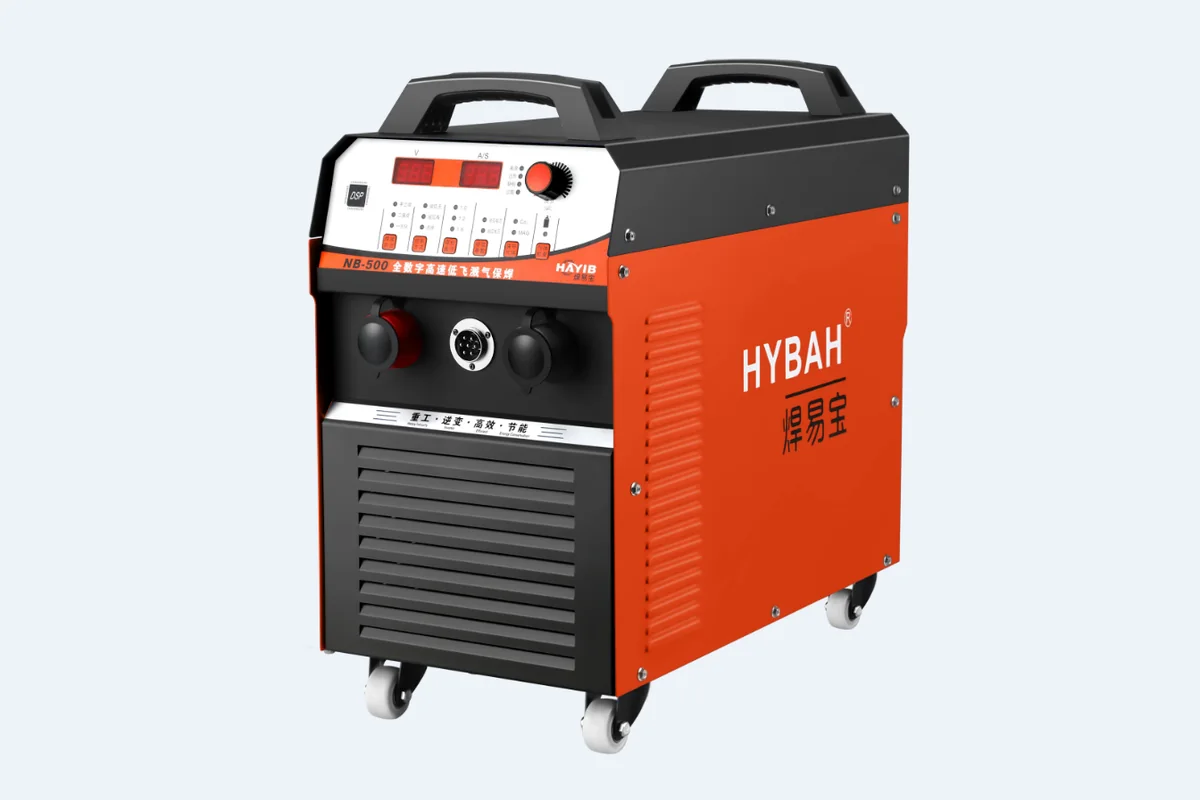
- Spring making and welding: ZDTHJ-12 automatic spring making machine (12mm), plus NB-350 and NB-500 MIG/CO2 welders. Welders are single-phase or two-phase loads in many configurations — confirm before wiring.
Generator Sizing for Remote Sites
On remote projects without a stable grid, a generator is often the only power source. Size it on starting current, not running current. Motors draw 3–7 times rated current for a few seconds at startup, and hydraulic pumps under load are the worst case.
- Rule of thumb: generator kVA ≈ 2–2.5 × total connected kW of the machines running together. A single 7.5kW motor may need a 20–25kVA generator to start reliably.
- VFD-equipped machines (such as the YGT4-15A straightener) start softly and are generator-friendly, but harmonics can upset cheap generators — use a generator with an electronic AVR.
- Never start all machines simultaneously. Sequence the largest motor first, then bring others online. This alone can cut required generator size by 30–40%.
- Voltage drop: keep cable runs short and sized for full load current. A 5% voltage drop at the machine can trip CNC controllers and servo drives.
- Frequency stability: CNC bending centers and servo-driven stirrup benders are sensitive to frequency drift. If your generator varies more than ±2% on frequency, add a stabilizer or choose a larger, better-regulated unit.
- Phase balance: distribute single-phase loads (welders, lighting, control power) evenly across the three phases to avoid nuisance tripping.
What to Confirm Before Ordering
- Your site voltage and frequency (380V/50Hz, 415V/50Hz, 440V/60Hz, etc.).
- Whether you will run on grid, generator, or both — this affects motor starter and VFD selection.
- Total connected load of the machines you plan to run at once, and your generator's continuous kVA rating.
- Any certification requirements (EAC for Russia/EAEU is available).
Getting the electrical configuration right at the factory is far cheaper than retrofitting on site. For a quote matched to your grid or generator setup, contact the Gongda export team at WhatsApp +86 193 9277 7259 or email yuhua0095@gmail.com — include your voltage, frequency, and machine list, and the factory will confirm the exact configuration before shipment.
Send your requirement on WhatsApp — we reply within one business day.
WhatsApp Request a Quote →More Articles
Single-Line vs Double-Line Rebar Machines: Which to Choose
Single-Line vs Double-Line Rebar Machines: Which to Choose If you are specifying a CNC rebar forming machine f…
How to Calculate Rebar Processing Productivity
How to Calculate Rebar Processing Productivity: Bends Per Hour, Stirrups Per Shift, and Line Throughput Most b…
Rebar Machine Safety Operation Rules
Rebar Machine Safety Operation Rules: A Practical Guide for Buyers and Operators Rebar processing equipment is…
Rebar Machine Maintenance Checklist
Rebar Machine Maintenance Checklist: Daily, Weekly and Monthly Schedules That Prevent Downtime Every hour a CN…
CNC Stirrup Machine Cost and ROI Calculation
CNC Stirrup Machine Cost and ROI Calculation: What Buyers Should Actually Model When a fabrication shop or reb…
Rebar Cutting Machine Price Guide 2026
Rebar Cutting Machine Price Guide 2026: GQ50A vs GQ70A vs Hydraulic Shear Lines If you are budgeting for rebar…
Ready to Talk Numbers?
Send us your rebar processing requirements and get a factory-direct quotation within one business day.