
Rebar Machine Safety Operation Rules
Rebar Machine Safety Operation Rules: A Practical Guide for Buyers and Operators
Rebar processing equipment is unforgiving. A CNC bending center exerting tons of force on a 50mm bar, or a 160-ton shear cutting through ribbed steel, will not stop for a hand. Most accidents in rebar fabrication shops trace back to four failures: missing or defeated guards, skipped PPE, improper lockout during maintenance, and untrained operators running machines they do not understand. This guide covers practical safety rules for the machines you are most likely to buy — from Gongda's GJZD6-50CZ CNC bending center to the GQ70A cutting machine and HGS-40 thread roller — with model-specific notes where they matter.
1. Machine Guards: The First Line of Defense
Guards are not accessories. On any rebar machine, they are the primary barrier between the operator and stored energy.
- Bending and forming machines: The GJZD6-50CZ and GJZD6-65CZ CNC bending centers have a 420mm working table and rotating bending arms. Keep the table guard and the arm sweep guard in place. Never reach into the bending zone to reposition a bar while the program is running — use the foot pedal or pause function, wait for full stop, then adjust.
- Stirrup benders: On the GW25 single-head stirrup bender and the ZD-6M-25 / ZD-6M-20 five-head machines, the wire feed and cutting zone must be enclosed. Five-head machines process multiple wires simultaneously, so a jam in one head can cause sudden movement in another. Isolate all heads before clearing.
- Shearing and cutting: The GQ70A cutting machine (160-ton shear force) and GQ50A (6–50mm round / 6–36mm ribbed) must have a fixed blade guard and a hold-down guard. The GDQX-500 hydraulic shearing production line should have interlocked tunnel guards over the shear zone — if the guard opens, the cycle must stop.
- Straightening and cutting: The YGT4-15A straightening and cutting machine with VFD runs wire at speed. The rotary straightening block and flywheel cutter need full enclosures with inspection windows only.
- Saws and threaders: The GD-350ZD band saw requires blade guards and a material clamp that cannot be released mid-cut. The HGS-40 thread rolling machine should have a guard over the roller dies and a chip shield.
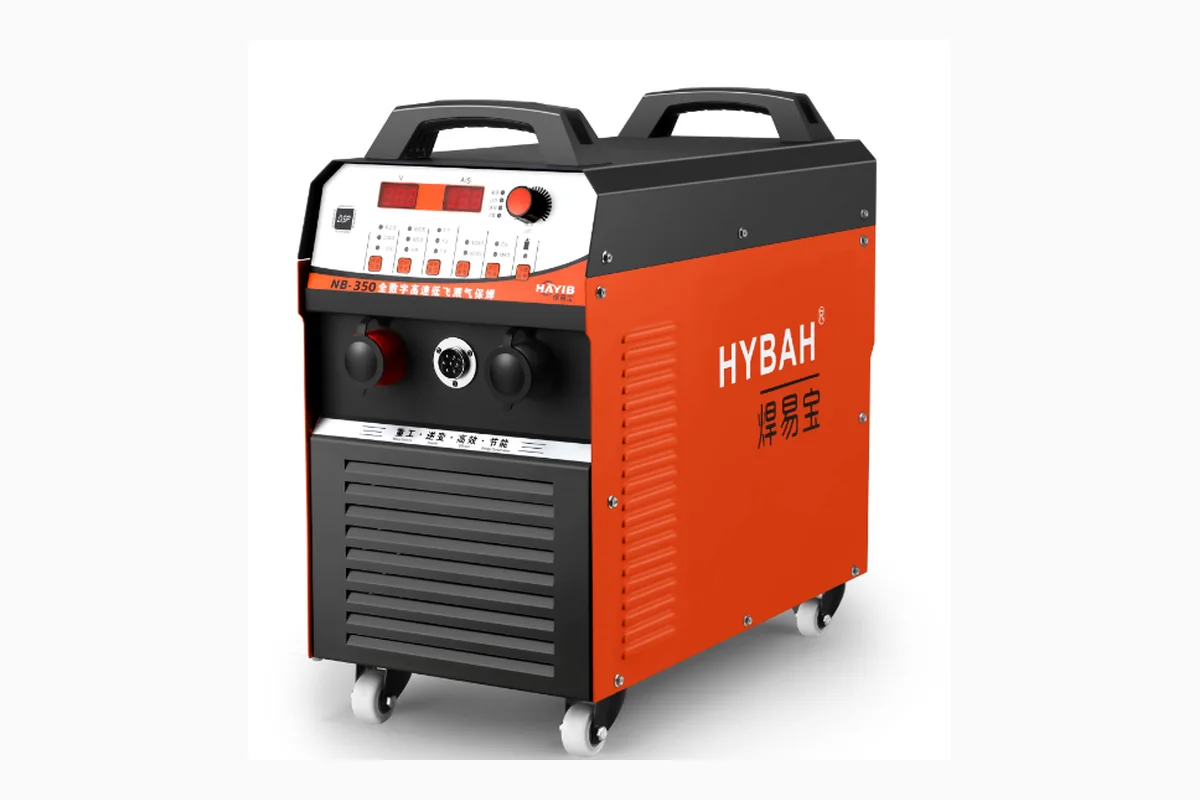
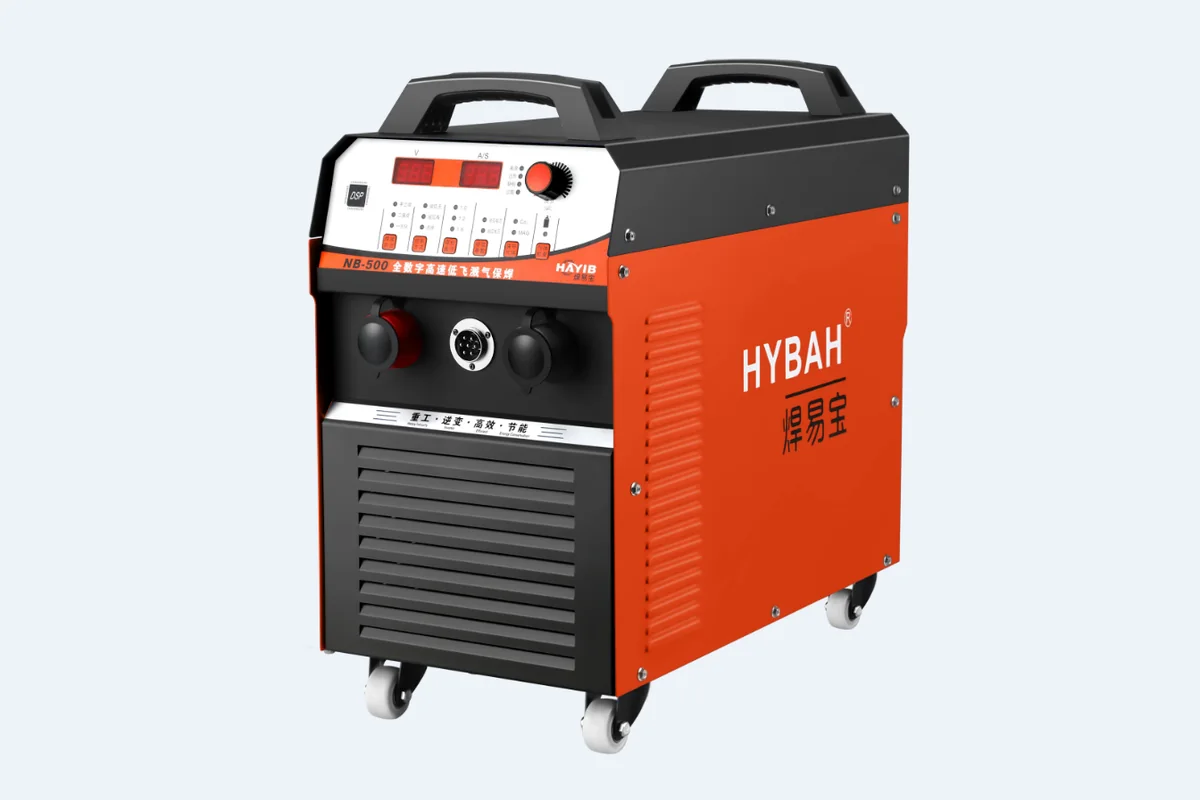
- Welders: For the NB-350 and NB-500 MIG/CO2 welders, use fume extraction and a welding screen — the arc flash hazard extends to nearby workers.
Rule: any guard removed for maintenance must be reinstalled and verified before the machine is re-energized. No exceptions, no "just this one cut."
2. PPE: Non-Negotiable for Every Operator
Rebar work combines cut hazards, crush hazards, flying chips, and noise. Minimum PPE across the shop floor:
- Safety glasses with side shields plus a face shield when cutting, shearing, or using the GD-350ZD band saw.
- Cut-resistant gloves for handling rebar; remove them when operating rotating equipment like the HGS-40 thread roller or ZDTHJ-12 spring making machine to avoid entanglement.
- Steel-toe safety boots — rebar bundles and cut lengths fall.
- Hearing protection in areas with shearing lines, band saws, and five-head stirrup machines.
- Close-fitting clothing, no loose sleeves, no jewelry, tied-back hair. This is critical on the GW25 stirrup bender and any machine with exposed rotating shafts.
- Welding helmet with correct shade, leather apron, and gauntlets for NB-350/NB-500 operation.
Practical advice for buyers: specify PPE as a line item in your purchase and commissioning plan. A machine delivered without a PPE kit for the training crew often means the first week of production runs unprotected.
3. Lockout/Tagout (LOTO): Before Any Maintenance
Every rebar machine stores energy — electrical, hydraulic, pneumatic, and gravity. LOTO is mandatory before blade changes, die changes, clearing jams, or any work inside a guard.
- Isolate all energy sources. The GDQX-500 hydraulic shearing line and GWH50CG/GWH50CZN arc bending machines have hydraulic accumulators — bleed pressure to zero before opening any fitting.
- Lock the disconnect. One lock per worker, one key per worker. Never rely on a colleague to "watch the switch."
- Block gravity-loaded parts. Bending arms on the GDLWZX-32 vertical bending center and GDPMW-60 plane bending center can drop when hydraulics release. Use mechanical blocks or pins.
- Verify zero energy. Try to start the machine after lockout. If it moves, your lockout failed.
- Tag with name, date, and reason. Remove tags only by the person who applied them.
For CNC machines like the GJZD6-65CZ and GDWQ4-15A CNC rebar forming machine, also lock out the control cabinet and, where possible, clear or back up the program before service to prevent an unexpected cycle on restart.
4. Training: The Rule That Makes the Other Rules Work
No guard or PPE program survives untrained operators. Structured training should cover:
- Machine-specific operation: capacity limits (e.g., 50mm on the GJZD6-50CZ, 25mm round on the GW25), correct bar loading, and program entry for CNC models.
- Emergency stops: location and function on every machine, tested at the start of each shift.
- Jam clearing: the correct sequence — stop, isolate, lock out, then clear. Never use hands or feet to free a stuck bar while the machine is live.
- Daily inspection: guards, emergency stops, hydraulic hoses, blade condition, and electrical cables.
- Documentation: keep training records and operator authorization lists. Only authorized operators run the equipment.
Gongda machines ship with operation manuals, and for export orders — including those to Russia, Spain, Latin America, the Middle East, Southeast Asia, and Africa — EAC certification is available where required. Buyers should request the manual in their language and schedule commissioning training before production starts. For questions on safety features, model selection, or training support, contact the team via WhatsApp at +86 193 9277 7259 or email yuhua0095@gmail.com.
Quick Pre-Shift Safety Checklist
- Guards in place and secure on all machines
- Emergency stops tested
- PPE worn by every operator
- LOTO devices available at each station
- Hydraulic lines free of leaks; pressure normal
- Work area clear of trip hazards and stacked cutoffs
- Only trained, authorized operators at the controls
Safety on rebar machinery is not a poster on the wall. It is guards that stay on, PPE that gets worn, locks that get applied, and operators who were trained before they touched the machine. Get those four right, and the equipment — from a GQ50A cutter to a five-head ZD-6M-25 stirrup machine — will do its job without taking a hand.
Send your requirement on WhatsApp — we reply within one business day.
WhatsApp Request a Quote →More Articles
Single-Line vs Double-Line Rebar Machines: Which to Choose
Single-Line vs Double-Line Rebar Machines: Which to Choose If you are specifying a CNC rebar forming machine f…
Rebar Machine Electricity Requirements (380V, 50/60Hz)
Rebar Machine Electricity Requirements: 380V, 50/60Hz, and Generator Sizing for Remote Sites Most buyers sourc…
How to Calculate Rebar Processing Productivity
How to Calculate Rebar Processing Productivity: Bends Per Hour, Stirrups Per Shift, and Line Throughput Most b…
Rebar Machine Maintenance Checklist
Rebar Machine Maintenance Checklist: Daily, Weekly and Monthly Schedules That Prevent Downtime Every hour a CN…
CNC Stirrup Machine Cost and ROI Calculation
CNC Stirrup Machine Cost and ROI Calculation: What Buyers Should Actually Model When a fabrication shop or reb…
Rebar Cutting Machine Price Guide 2026
Rebar Cutting Machine Price Guide 2026: GQ50A vs GQ70A vs Hydraulic Shear Lines If you are budgeting for rebar…
Ready to Talk Numbers?
Send us your rebar processing requirements and get a factory-direct quotation within one business day.