
How to Import Rebar Machines to Indonesia
How to Import Rebar Machines to Indonesia
Indonesia's construction and infrastructure pipeline — from the new capital Nusantara to toll roads, smelters and high-rise projects — has made it one of Southeast Asia's most active markets for rebar processing equipment. If you are a contractor, steel fabricator or equipment distributor planning to import from China, the technical selection is only half the job. The other half is getting the import process, documentation and Incoterms right. This guide covers what buyers actually need to know, using real machine specifications from Chinese manufacturer Gongda (China Rebar Machinery) as reference points.
Step 1: Match the Machine to Your Production Mix
Indonesian buyers typically process a mix of plain round bar (BJTP) and deformed bar (BJTS), most commonly in 10–32 mm diameters, with larger 36–50 mm stock on heavy infrastructure work. Your import list should reflect that mix:
- Cutting: The GQ50A handles 6–50 mm round and 6–36 mm ribbed bar, making it the standard choice for most fabrication yards. For heavy-duty work, the GQ70A delivers 160 tons of shear force and cuts up to 70 mm.
- Stirrups: The GW25 CNC single-head stirrup bender processes round steel up to 25 mm, while the ZD-6M-25 and ZD-6M-20 five-head machines suit high-volume stirrup production for precast and rebar cages.
- Bending: The GJZD6-50CZ CNC bending center handles up to 50 mm with a 420 mm working table; step up to the GJZD6-65CZ for 65 mm. For curved structures, the GWH50CG/GWH50CZN arc benders and SKDZWH-36/GDWHWQ-36 CNC arc benders cover 36–50 mm.
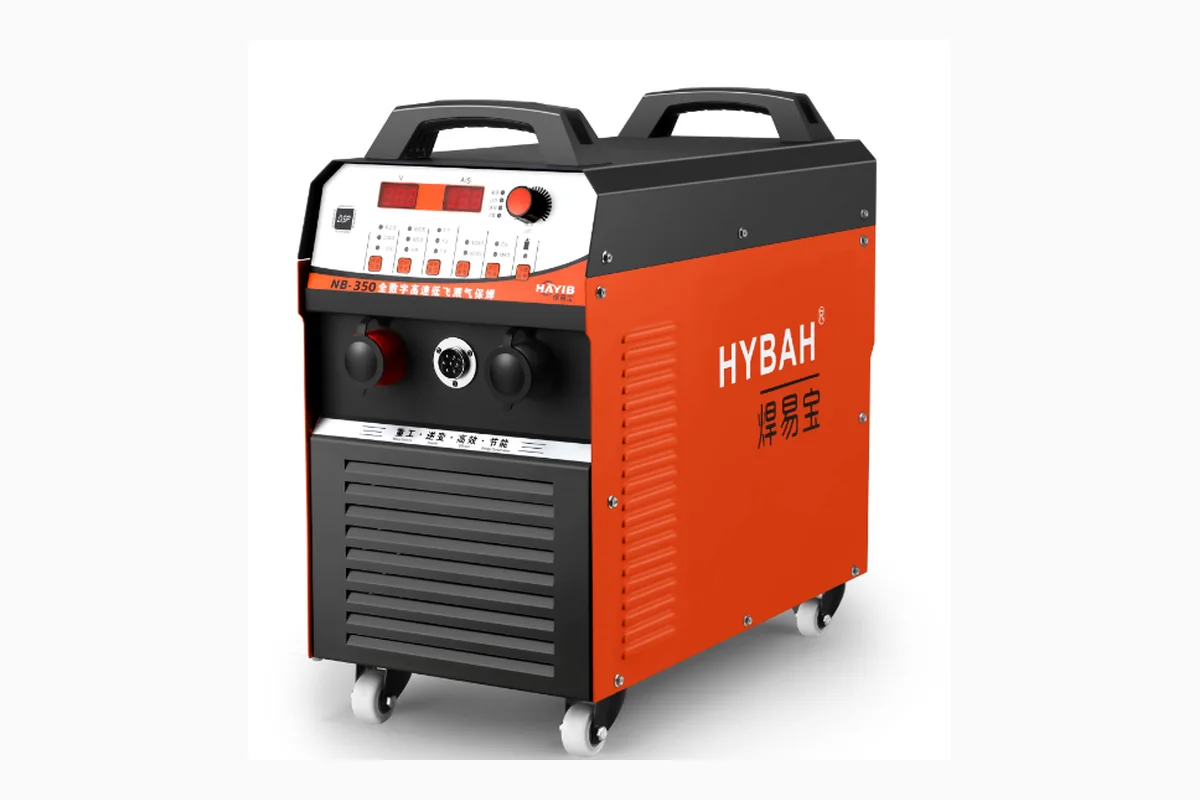
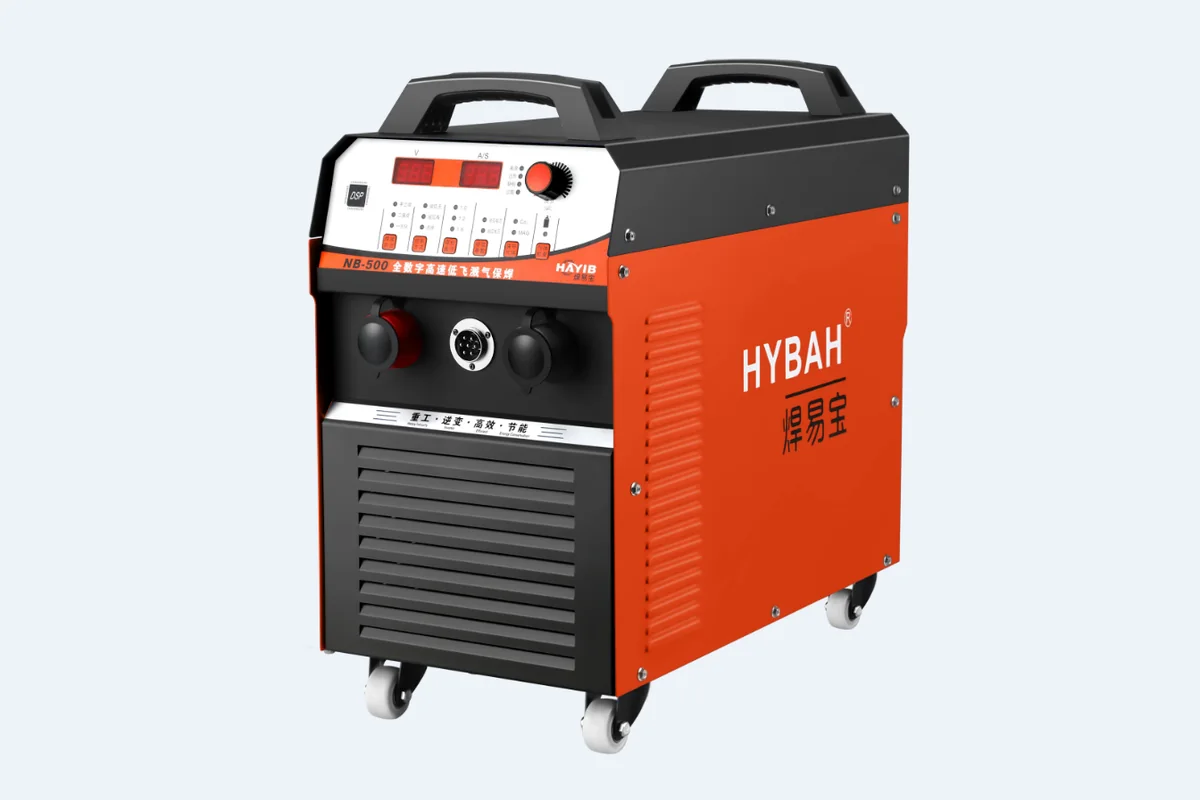
- Specialty: The GDQX-500 hydraulic shearing line, YGT4-15A straightening and cutting machine (4–15 mm, VFD-controlled), GD-350ZD band saw, HGS-40 thread rolling machine, ZDTHJ-12 spring making machine and NB-350/NB-500 CO2 MIG welders round out a complete workshop.
Confirm voltage requirements early. Indonesia uses 220V/380V at 50 Hz, which matches standard Chinese export configurations, but verify before ordering to avoid transformer costs.
Step 2: Documentation for Indonesian Customs
Indonesia's import regime is stricter than many ASEAN neighbours. Prepare the following before shipment:
- Commercial invoice and packing list — model, quantity, unit price, HS code, net/gross weight and dimensions per crate.
- Bill of Lading — consignee must match your Indonesian import licence (API-U for traders, API-P for manufacturers).
- Certificate of Origin (Form E) — under the ASEAN–China FTA, Form E can reduce import duty on many machinery lines to 0%. This is one of the single biggest cost savings available and must be issued by the Chinese exporter.
- Import licence and HS classification — most rebar processing machines fall under HS 8462 (machine tools for working metal). Confirm the exact subheading with your customs broker, as duty rates differ.
- SNI considerations — some electrical and safety-related products require Indonesian national standards compliance. Ask your supplier whether the machine's electrical components carry CE or equivalent certification.
- Inspection documents — a pre-shipment inspection certificate and test reports for motors and control systems speed up clearance.
For Russian and Central Asian re-exports, EAC certification is available from Gongda; for direct Indonesian imports, request CE documentation and a Form E as the baseline.
Step 3: FOB vs CIF — Which Should You Choose?
FOB (Free On Board)
Under FOB, the Chinese supplier delivers the machine to the port — typically Shanghai or Ningbo for Anhui-based factories — and you control the ocean freight and insurance. This is usually cheaper if you have a reliable freight forwarder and regular volume, because you can consolidate containers and negotiate rates directly. You also keep full visibility of the shipping schedule.
CIF (Cost, Insurance and Freight)
Under CIF, the supplier arranges freight and insurance to an Indonesian port such as Tanjung Priok (Jakarta), Tanjung Perak (Surabaya) or Belawan (Medan). CIF is simpler for first-time importers and gives you a single landed-cost figure, but freight is often marked up. Note that CIF does not cover Indonesian port charges, customs duty, VAT (PPN), income tax (PPh 22) or inland delivery — budget 15–25% of CIF value for these.
A practical middle path: buy FOB, appoint your own forwarder, and ask the supplier to provide crating suitable for a 20ft or 40ft container. Large items such as the GDQX-500 shearing line or GDPMW-60 plane bending center may require flat-rack or break-bulk shipping — confirm dimensions before booking.
Step 4: Installation, Training and After-Sales
CNC equipment such as the GJZD6-50CZ bending center or GDWQ4-15A forming machine requires proper commissioning. Negotiate the following into your contract:
- English-language operation manuals and PLC/HMI screens
- On-site or video commissioning support
- Spare parts list with recommended first-year inventory (shear blades, bending pins, hydraulic seals)
- Warranty terms and response time for technical issues
Gongda, based in Hefei, Anhui and rooted in the electromechanical works of Hefei University of Technology, exports to Russia, Spain, Latin America, the Middle East, Southeast Asia and Africa. For Indonesian buyers, direct contact via WhatsApp at +86 193 9277 7259 or email yuhua0095@gmail.com can confirm model availability, FOB/CIF pricing and documentation turnaround before you commit to a purchase order.
Quick Checklist Before You Order
- Confirm bar diameters and production volume per shift
- Verify 380V/50Hz electrical configuration
- Request Form E for ASEAN–China FTA duty savings
- Decide FOB vs CIF based on your forwarder relationships
- Budget for Indonesian duty, PPN, PPh 22 and inland transport
- Secure training, manuals and spare parts in the contract
Getting these steps right turns a machine purchase into a working production asset — and keeps your project schedule on track.
Send your requirement on WhatsApp — we reply within one business day.
WhatsApp Request a Quote →More Articles
Single-Line vs Double-Line Rebar Machines: Which to Choose
Single-Line vs Double-Line Rebar Machines: Which to Choose If you are specifying a CNC rebar forming machine f…
Rebar Machine Electricity Requirements (380V, 50/60Hz)
Rebar Machine Electricity Requirements: 380V, 50/60Hz, and Generator Sizing for Remote Sites Most buyers sourc…
How to Calculate Rebar Processing Productivity
How to Calculate Rebar Processing Productivity: Bends Per Hour, Stirrups Per Shift, and Line Throughput Most b…
Rebar Machine Safety Operation Rules
Rebar Machine Safety Operation Rules: A Practical Guide for Buyers and Operators Rebar processing equipment is…
Rebar Machine Maintenance Checklist
Rebar Machine Maintenance Checklist: Daily, Weekly and Monthly Schedules That Prevent Downtime Every hour a CN…
CNC Stirrup Machine Cost and ROI Calculation
CNC Stirrup Machine Cost and ROI Calculation: What Buyers Should Actually Model When a fabrication shop or reb…
Ready to Talk Numbers?
Send us your rebar processing requirements and get a factory-direct quotation within one business day.