
How to Import Rebar Machines to Nigeria
How to Import Rebar Machines to Nigeria
Nigeria's construction sector continues to expand, and with it the demand for reliable rebar processing equipment. For importers, the challenge is rarely finding a supplier — it is clearing SONCAP, structuring payment safely, and choosing machines that match local power and site conditions. This guide covers the practical steps for importing rebar benders, shears, and straighteners from China, using real equipment specifications from Gongda (China Rebar Machinery) as reference points.
Step 1: Match the Machine to Your Market Before You Buy
Nigerian fabricators typically work with 12mm–32mm ribbed bar, but demand varies sharply between Lagos high-rise projects and regional workshops. Ordering the wrong capacity wastes capital. A few realistic configurations:
- Small to mid-size workshops: GQ50A cutting machine (6–50mm round / 6–36mm ribbed) paired with a GW25 CNC single-head stirrup bender (round steel up to 25mm). This combination covers most cut-and-bend work without a large footprint.
- High-volume projects: GJZD6-50CZ CNC bending center (up to 50mm, 420mm working table) or the GJZD6-65CZ for 65mm bar, plus a GDQX-500 hydraulic rebar shearing production line for continuous cutting.
- Stirrup production at scale: ZD-6M-25 five-head stirrup machine (25mm) or ZD-6M-20 (20mm) — five heads dramatically raise output versus single-head benders.
- Straightening coils on site: YGT4-15A straightening & cutting machine (4–15mm) with VFD control, which handles voltage fluctuation better than fixed-speed units.
Also consider arc and plane bending for tunnel and bridge work: GWH50CG/GWH50CZN (50mm arc bender), SKDZWH-36/GDWHWQ-36 (36mm CNC arc bender), GDLWZX-32 vertical bending center, and GDPMW-60 plane bending center. For thread rolling, the HGS-40 handles 40mm bar; for cutting large sections, the GD-350ZD band saw (350mm) is standard.
Step 2: Understand SONCAP Requirements
SONCAP (Standards Organisation of Nigeria Conformity Assessment Programme) is mandatory for most regulated products entering Nigeria. Rebar processing machinery generally falls under mechanical/electrical equipment categories subject to SONCAP clearance. The process has two stages:
- Product Certificate (PC): Obtained before shipment. Your supplier provides test reports, technical data, and photos. The PC is issued per product/model and is valid for multiple shipments within its validity period.
- SONCAP Certificate (SC): Issued per shipment after inspection, either at the factory or at the port of loading. The SC is what Nigerian Customs and banks require for clearance.
Practical advice: confirm with your supplier before payment whether they can support SONCAP documentation. Gongda, for example, provides EAC certification and can prepare technical files for SONCAP processing through an accredited agency. Budget 2–4 weeks for PC issuance and allow extra time if models are new. Never ship without confirming the PC covers your exact model number — a GJZD6-50CZ and GJZD6-65CZ require separate coverage.
Step 3: Shipping and Port Practicalities
Most rebar machines ship FCL from Shanghai, Ningbo, or Qingdao to Lagos (Apapa or Tin Can Island) or Onne Port for eastern Nigeria. Typical transit is 30–45 days.
- Packing: CNC bending centers and shearing lines should ship in plywood cases or steel frames with moisture protection. Confirm the supplier uses fumigated wood (ISPM 15) to avoid port delays.
- Container loading: A 20ft container typically fits one CNC bending center plus accessories, or several smaller machines such as GQ50A cutters and GW25 benders. Ask for a loading plan with photos before sealing.
- Documentation: Commercial invoice, packing list, bill of lading, HS codes, and the SONCAP SC. HS classifications vary — bending and cutting machines often fall under 8462 headings, but confirm with your clearing agent.
- Voltage: Nigeria runs 230V/400V, 50Hz. Specify 380V/400V three-phase motors at order stage. VFD-equipped models like the YGT4-15A tolerate fluctuation better; consider a stabilizer for CNC units.
Step 4: Payment Terms That Protect Both Sides
Standard practice with established Chinese exporters is 30% T/T deposit, 70% before shipment after inspection. For larger orders — a GDQX-500 shearing line, for instance — negotiate 30% deposit, 60% against pre-shipment inspection, 10% after arrival. Alternatives:
- L/C at sight: Safer for first-time buyers, though Nigerian banks may require 100% margin. Ensure the L/C allows SONCAP inspection timing.
- Escrow or third-party inspection: SGS or Bureau Veritas inspection before final payment reduces risk on CNC equipment such as the GDLWZX-32 or GDPMW-60.
- Avoid full advance payment on first orders regardless of price incentive.
Step 5: After-Sales and Spares
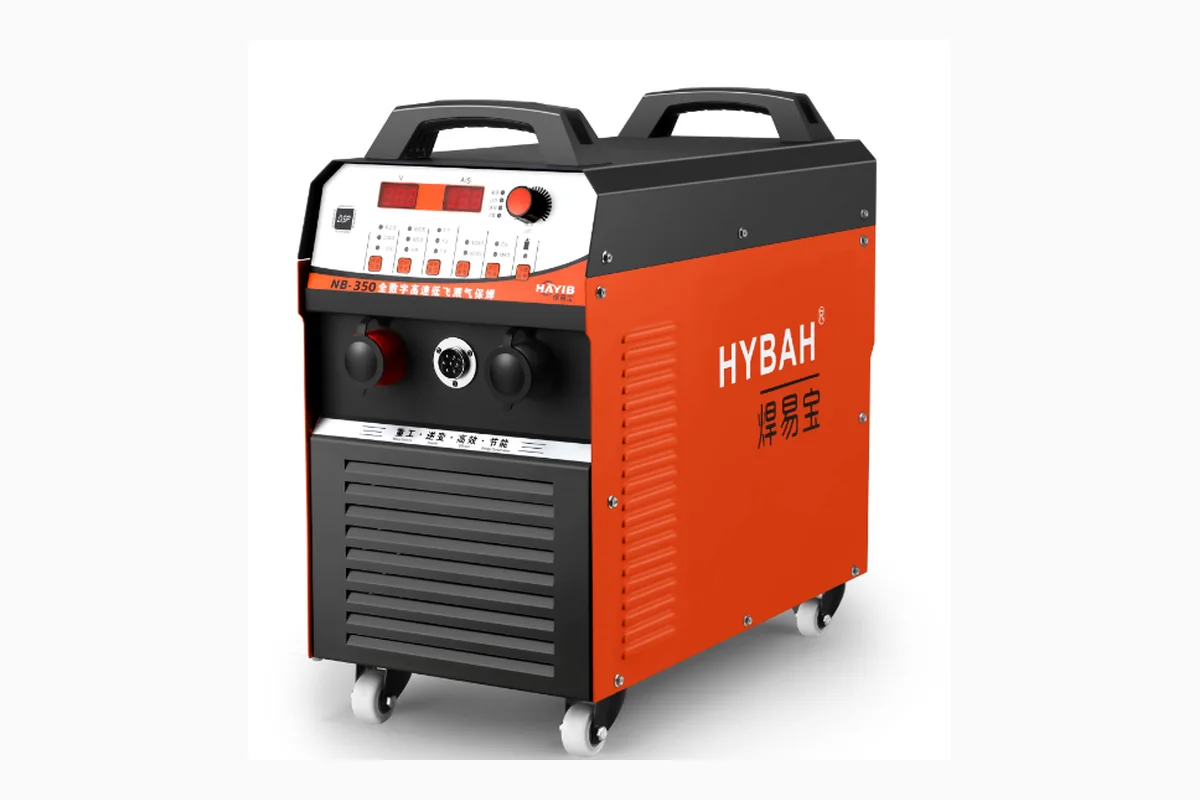
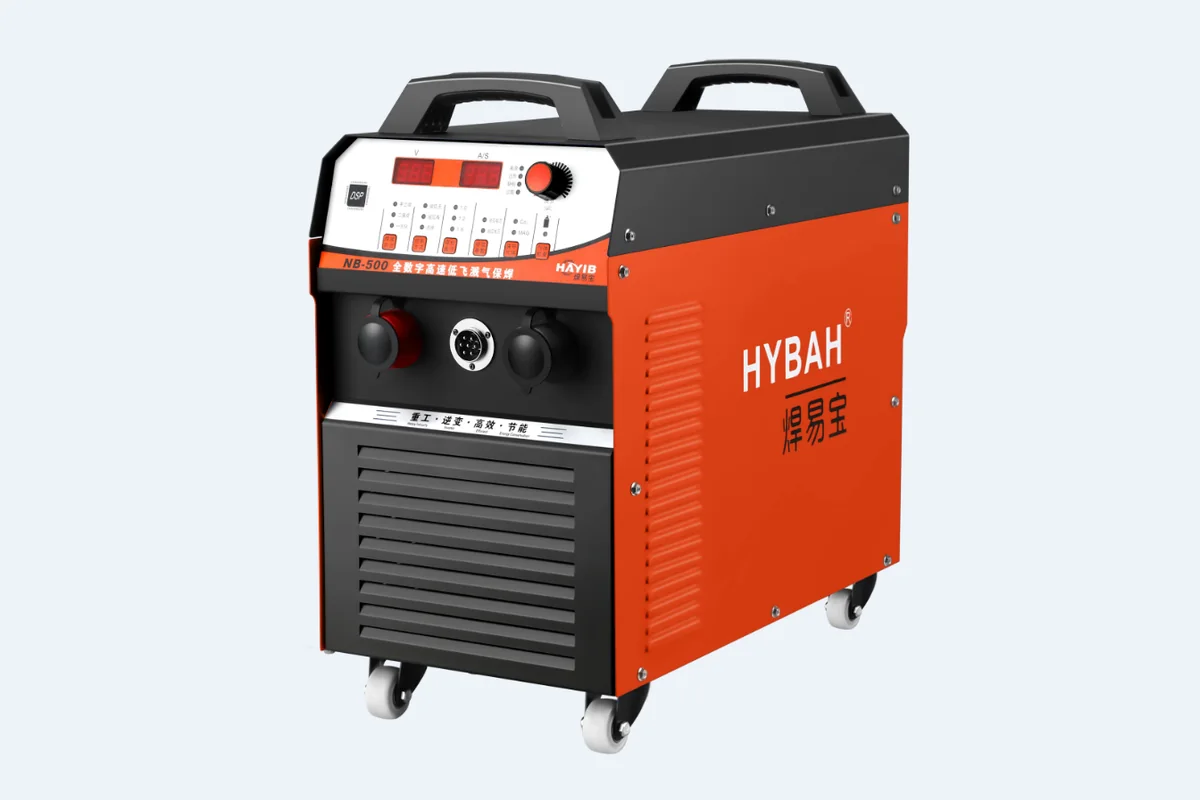
Confirm spare parts availability for wear items: shear blades for GQ70A (70mm, 160-ton shear force) and GQ50A, bending pins and dies for CNC centers, and rollers for straighteners. Ask for an English operation manual and wiring diagram. For welders such as the NB-350 and NB-500 MIG/CO2 units, verify consumable compatibility with locally available wire. The ZDTHJ-12 automatic spring making machine (12mm) and thread rolling HGS-40 also need model-specific tooling — order a spare set with the machine.
Quick Checklist
- Confirm model capacities against your actual bar sizes
- Verify SONCAP PC coverage before payment
- Specify 380V/400V, 50Hz motors
- Request ISPM 15 packing and loading photos
- Use 30/70 T/T or L/C; inspect before final payment
- Order wear spares and manuals upfront
For model selection, SONCAP documentation support, and shipping coordination, contact Gongda via WhatsApp at +86 193 9277 7259 or email yuhua0095@gmail.com. The company exports to Russia, Spain, Latin America, the Middle East, Southeast Asia, and Africa, and can advise on configurations suited to Nigerian site conditions.
Send your requirement on WhatsApp — we reply within one business day.
WhatsApp Request a Quote →More Articles
Single-Line vs Double-Line Rebar Machines: Which to Choose
Single-Line vs Double-Line Rebar Machines: Which to Choose If you are specifying a CNC rebar forming machine f…
Rebar Machine Electricity Requirements (380V, 50/60Hz)
Rebar Machine Electricity Requirements: 380V, 50/60Hz, and Generator Sizing for Remote Sites Most buyers sourc…
How to Calculate Rebar Processing Productivity
How to Calculate Rebar Processing Productivity: Bends Per Hour, Stirrups Per Shift, and Line Throughput Most b…
Rebar Machine Safety Operation Rules
Rebar Machine Safety Operation Rules: A Practical Guide for Buyers and Operators Rebar processing equipment is…
Rebar Machine Maintenance Checklist
Rebar Machine Maintenance Checklist: Daily, Weekly and Monthly Schedules That Prevent Downtime Every hour a CN…
CNC Stirrup Machine Cost and ROI Calculation
CNC Stirrup Machine Cost and ROI Calculation: What Buyers Should Actually Model When a fabrication shop or reb…
Ready to Talk Numbers?
Send us your rebar processing requirements and get a factory-direct quotation within one business day.