
Exporting Rebar Machines to Latin America
Exporting Rebar Machines to Latin America: What Buyers in Brazil, Mexico, Chile and Peru Need to Know
Latin America is one of the fastest-growing markets for rebar processing equipment, driven by infrastructure programs, mining construction and residential high-rise development. For buyers in Brazil, Mexico, Chile and Peru, sourcing from China can cut capital costs by 30–50% compared with European or North American suppliers — but only if you get the shipping, voltage and certification details right. This guide covers the practical side of importing rebar machinery from Gongda (China Rebar Machinery), based in Hefei, Anhui.
Match the Machine to Your Bar Diameter and Production Volume
The most common import mistake is buying a machine that is one size too small. Latin American projects frequently use 16mm–32mm ribbed bar, and some mining and bridge work pushes past 40mm. Gongda's range covers this directly:
- CNC rebar bending centers: GJZD6-50CZ handles up to 50mm with a 420mm working table; the GJZD6-65CZ extends capacity to 65mm for heavy civil work.
- Stirrup bending: the GW25 single-head CNC stirrup bender processes round steel up to 25mm; the ZD-6M-25 and ZD-6M-20 five-head machines suit high-volume stirrup production for precast and cage fabrication.
- Arc and forming: GWH50CG / GWH50CZN arc benders (50mm), SKDZWH-36 / GDWHWQ-36 CNC arc benders (36mm), GDLWZX-32 vertical bending center (32mm) and GDPMW-60 plane bending center (60mm).
- Cutting and shearing: GQ70A cuts 70mm with 160-ton shear force; GQ50A covers 6–50mm round and 6–36mm ribbed; the GDQX-500 hydraulic rebar shearing production line is the choice for automated cut-to-length output.
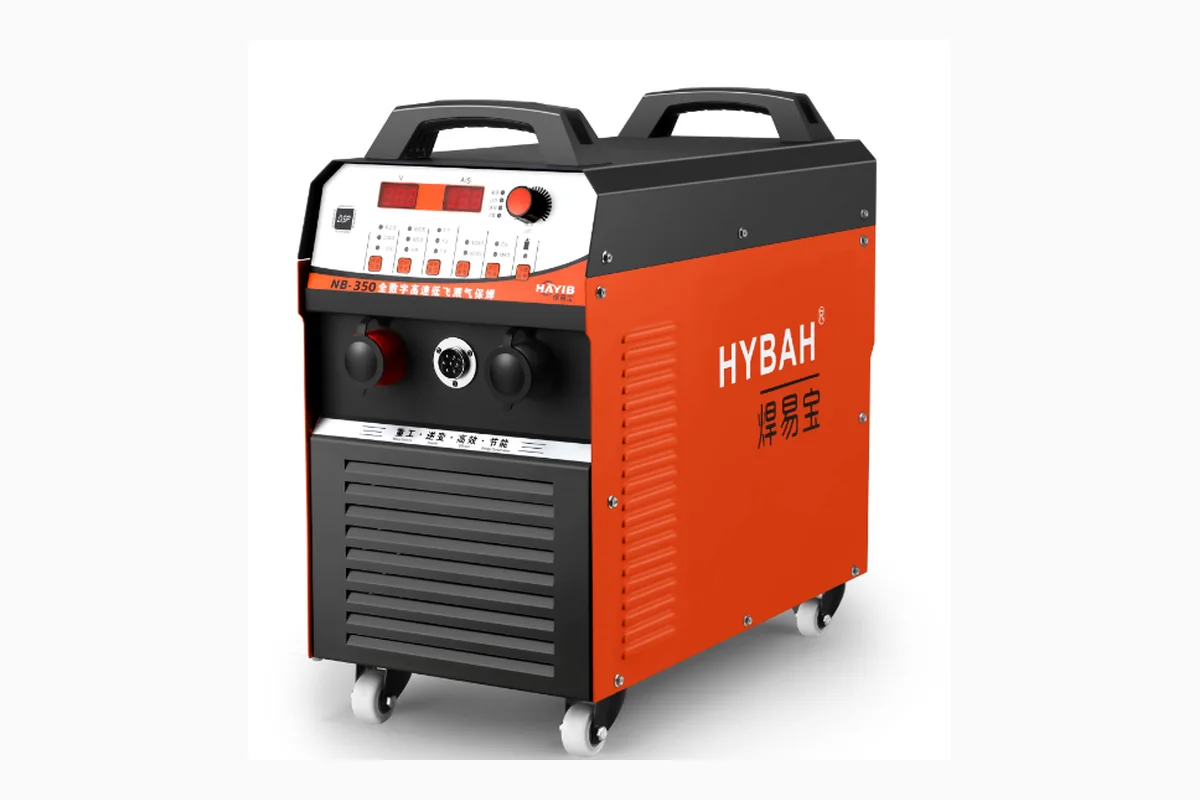
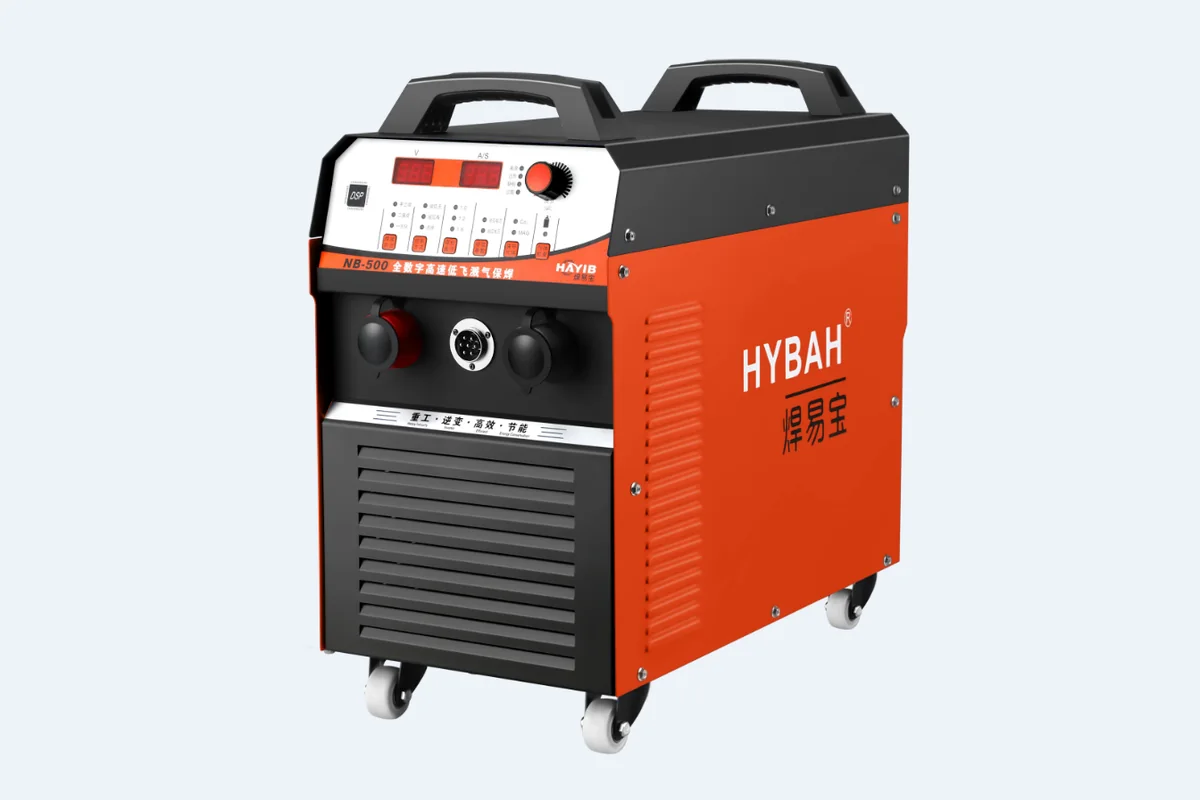
- Straightening, sawing and threading: YGT4-15A straightening & cutting machine (4–15mm, VFD-controlled), GD-350ZD band saw (350mm), HGS-40 thread rolling machine (40mm), ZDTHJ-12 automatic spring making machine (12mm), plus NB-350 and NB-500 MIG/CO2 welders.
A practical rule: if your daily output target is under 20 tons of cut-and-bend work, a GQ50A plus GW25 combination is usually sufficient. Above that, step up to the GDQX-500 shearing line and a five-head stirrup machine.
Voltage and Power Configuration
This is where Latin American orders most often go wrong. Brazil uses 127/220V single-phase and 220/380V three-phase at 60Hz. Mexico is predominantly 220V three-phase at 60Hz, with some 440V industrial supply. Chile and Peru generally run 380V three-phase at 50Hz. Confirm your site voltage before the order is placed — motors, VFDs and control transformers are configured at the factory, and retrofitting on site is expensive. Specify 60Hz for Brazil and Mexico so that motor speed and bending cycle times match the rated output.
Shipping Routes and Lead Times
Gongda machines ship from Chinese ports, most commonly Shanghai or Ningbo. Typical routing:
- Brazil: Santos, Paranaguá or Rio de Janeiro — roughly 35–45 days at sea. Santos has the heaviest congestion; budget a few extra days for customs clearance.
- Mexico: Manzanillo or Veracruz — approximately 25–35 days. Manzanillo is the standard entry for machinery destined to Guadalajara and Mexico City.
- Chile: San Antonio or Valparaíso — around 35–40 days.
- Peru: Callao — approximately 30–35 days.
Large items such as the GDQX-500 shearing line and GJZD6-65CZ bending center normally ship FCL. Smaller units like the HGS-40 thread roller or GQ50A cutter can go LCL, but crating must be seaworthy — insist on fumigated wooden cases with moisture barrier film, since humidity in transit through tropical zones causes rust on unpainted surfaces.
Certification and Customs Documentation
Each country has its own requirements, and none of them accept a generic "CE certificate" as a substitute:
- Brazil: INMETRO registration may apply depending on machine category, and all electrical equipment must meet NR-12 safety requirements for machinery guarding. Importers need a RADAR licence and must clear through SISCOMEX.
- Mexico: NOM certification for electrical safety is commonly requested; check whether your specific machine falls under an applicable NOM standard. A Mexican importer of record is required.
- Chile: SEC electrical approval for equipment connected to the grid. Chile also enforces strict labelling in Spanish.
- Peru: machinery imports generally require a certificate of origin and may be subject to INDECOPI technical standards for electrical goods.
For buyers in Russia and the wider EAC region, Gongda can supply EAC certification — useful if you are a trading company reselling into multiple markets. For Latin America, request the certificate of origin, commercial invoice, packing list, bill of lading and a Spanish-language operation manual at the time of order. Spanish manuals are not optional in Chile and Peru, and increasingly expected in Mexico.
Spare Parts and After-Sales Reality
Before you sign, ask for a spare parts list with part numbers and confirm which components are off-the-shelf (bearings, contactors, hydraulic seals) versus proprietary. Gongda machines use standard hydraulic and electrical components where possible, which means local sourcing in São Paulo, Monterrey, Santiago or Lima is realistic for consumables. Order a starter kit with your machine: bending pins, cutting blades, hydraulic filters and a spare VFD for the YGT4-15A if you run continuous shifts.
To discuss model selection, voltage configuration or a shipping quote to your nearest port, contact Gongda directly: WhatsApp +86 193 9277 7259 or email yuhua0095@gmail.com. Provide your bar diameters, daily tonnage target and destination port, and you will get a specific machine recommendation rather than a generic catalogue.
Send your requirement on WhatsApp — we reply within one business day.
WhatsApp Request a Quote →More Articles
Single-Line vs Double-Line Rebar Machines: Which to Choose
Single-Line vs Double-Line Rebar Machines: Which to Choose If you are specifying a CNC rebar forming machine f…
Rebar Machine Electricity Requirements (380V, 50/60Hz)
Rebar Machine Electricity Requirements: 380V, 50/60Hz, and Generator Sizing for Remote Sites Most buyers sourc…
How to Calculate Rebar Processing Productivity
How to Calculate Rebar Processing Productivity: Bends Per Hour, Stirrups Per Shift, and Line Throughput Most b…
Rebar Machine Safety Operation Rules
Rebar Machine Safety Operation Rules: A Practical Guide for Buyers and Operators Rebar processing equipment is…
Rebar Machine Maintenance Checklist
Rebar Machine Maintenance Checklist: Daily, Weekly and Monthly Schedules That Prevent Downtime Every hour a CN…
CNC Stirrup Machine Cost and ROI Calculation
CNC Stirrup Machine Cost and ROI Calculation: What Buyers Should Actually Model When a fabrication shop or reb…
Ready to Talk Numbers?
Send us your rebar processing requirements and get a factory-direct quotation within one business day.