
Rebar Machine Installation and Operator Training
Rebar Machine Installation and Operator Training: What Buyers Should Expect
For most contractors and rebar fabricators, the real risk in buying a rebar processing machine is not the purchase price — it is the weeks of downtime that follow if the equipment sits idle waiting for a technician, or if operators run a 160-ton shear without knowing its limits. This article explains how installation, commissioning and operator training typically work when you buy from China Rebar Machinery (brand Gongda), and what you should prepare on your side to get a CNC bending center or stirrup bender into production fast.
Before the Machine Ships: Site Preparation
Commissioning problems are almost always foundation and power problems in disguise. A few practical checks before your container arrives:
- Foundation and floor loading. Large units such as the GDPMW-60 plane bending center (60mm capacity) and the GDQX-500 hydraulic rebar shearing production line need a level, reinforced concrete floor. Small machines like the GQ50A cutting machine (6–50mm round / 6–36mm ribbed) can run on a normal industrial slab, but still need anchoring to prevent walking under load.
- Power supply. Confirm voltage, phase and frequency against the machine's nameplate before arrival. The YGT4-15A straightening and cutting machine (4–15mm, with VFD) and the GW25 single-head stirrup bender (round steel up to 25mm) are sensitive to unstable voltage; fit a stabilizer if your grid fluctuates.
- Compressed air and clearance. Thread rolling machines such as the HGS-40 (up to 40mm) and the ZDTHJ-12 automatic spring making machine (12mm) need clean, dry air. Leave service clearance around the working table — the GJZD6-50CZ CNC bending machine has a 420mm working table and the GJZD6-65CZ handles up to 65mm, so bar stock needs room to swing.
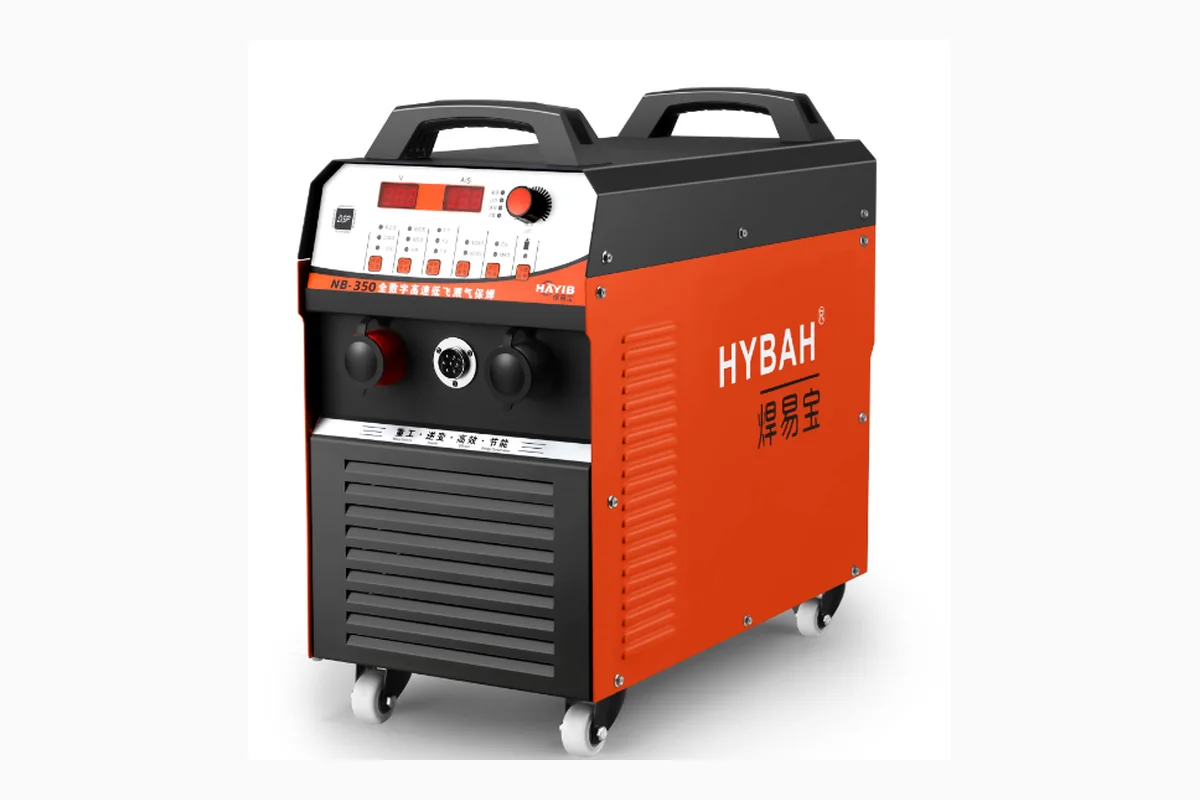
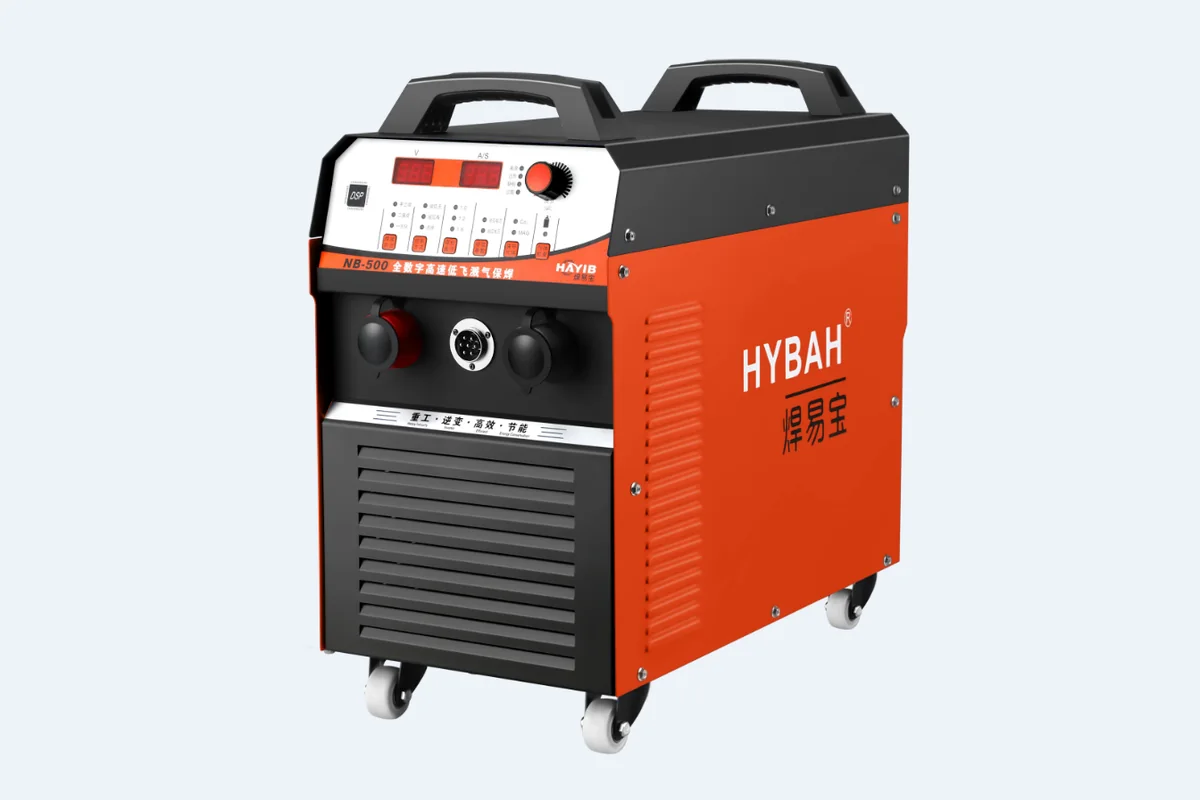
- Tooling and consumables. Have bending pins, shear blades and hydraulic oil on site. For the NB-350 and NB-500 MIG/CO2 welders, stock wire and shielding gas before the training session, not after.
Commissioning: What the Engineer Actually Does
On-site commissioning covers mechanical installation, electrical connection, calibration and a test run on your own rebar. Expect the engineer to:
- Level and anchor the machine, then verify hydraulic pressure and check for leaks on shearing lines and arc benders.
- Calibrate bending angles and length encoders. On CNC models — GJZD6-50CZ, GJZD6-65CZ, GDWQ4-15A, GDLWZX-32 vertical bending center, GDPMW-60 — this means entering test programs and confirming repeatability across a batch.
- Set up multi-head machines. The ZD-6M-25 and ZD-6M-20 five-head stirrup machines need each head aligned and timed individually; this is where an experienced engineer saves you days.
- Run a production trial: a full stirrup batch on the GW25, a shear cycle on the GDQX-500, or a straightening run on the YGT4-15A using your actual bar sizes.
- Verify safety systems — guards, emergency stops, and overload protection on the GQ70A cutting machine (70mm, 160-ton shear force).
Plan for one to three days for a single machine and longer for a production line or multiple units. Have your electrician, a forklift and your own rebar samples ready so the engineer spends time calibrating, not waiting.
Operator Training: The Part That Determines Your Output
Training should be hands-on and done on your material, not on demo stock. A proper session covers:
- Daily operation. Program entry, batch settings, and shape libraries on CNC controls; manual versus automatic modes on the GWH50CG and GWH50CZN arc bending machines (50mm) and the SKDZWH-36 / GDWHWQ-36 CNC arc benders (36mm).
- Changeovers. Swapping bending pins and dies, adjusting head positions on five-head stirrup machines, and resetting blade clearance on band saws like the GD-350ZD (350mm).
- Preventive maintenance. Lubrication intervals, hydraulic oil checks, encoder cleaning, and how to spot early wear on shear blades and thread rolling dies.
- Troubleshooting. Angle drift, length error, hydraulic overheating, and when to stop the machine rather than push through a fault.
- Safety discipline. Lockout procedures, keeping hands clear of the shear zone, and correct handling of long bar stock on straightening and cutting machines.
Ask for training to be delivered to at least two operators per shift. One trained operator is a single point of failure.
Video Support and Remote Assistance
Not every buyer can host an engineer immediately, and not every question needs one. Video support covers machine walkarounds, control screen navigation, parameter setting, and fault diagnosis by video call. Record the training sessions — a short video of your own operator setting up the GJZD6-65CZ is worth more to a new hire than any manual. For export customers in Russia, Spain, Latin America, the Middle East, Southeast Asia and Africa, remote support also shortens the response loop on spare parts identification.
Documentation, Certification and Spares
Confirm you receive an operation manual, electrical schematic, hydraulic diagram and a spare parts list with each unit. For Russia and EAC markets, EAC certification is available — request it at the order stage, not after shipment. Keep a recommended spares kit on site: shear blades, bending pins, seals, proximity switches and encoder components.
Planning Checklist for Buyers
- Confirm voltage, phase and frequency before production.
- Prepare foundation, anchoring points and service clearance.
- Nominate two or more operators per shift for training.
- Have your own rebar samples ready for the commissioning trial.
- Schedule training before the machine arrives, not after it is installed.
- Request EAC certification and spare parts list with your order.
Done properly, installation and training take days, not months — and your CNC bending center or stirrup bender starts earning from the first batch. To discuss commissioning, training or video support for a specific model, contact China Rebar Machinery: WhatsApp +86 193 9277 7259, email yuhua0095@gmail.com.
Send your requirement on WhatsApp — we reply within one business day.
WhatsApp Request a Quote →More Articles
Single-Line vs Double-Line Rebar Machines: Which to Choose
Single-Line vs Double-Line Rebar Machines: Which to Choose If you are specifying a CNC rebar forming machine f…
Rebar Machine Electricity Requirements (380V, 50/60Hz)
Rebar Machine Electricity Requirements: 380V, 50/60Hz, and Generator Sizing for Remote Sites Most buyers sourc…
How to Calculate Rebar Processing Productivity
How to Calculate Rebar Processing Productivity: Bends Per Hour, Stirrups Per Shift, and Line Throughput Most b…
Rebar Machine Safety Operation Rules
Rebar Machine Safety Operation Rules: A Practical Guide for Buyers and Operators Rebar processing equipment is…
Rebar Machine Maintenance Checklist
Rebar Machine Maintenance Checklist: Daily, Weekly and Monthly Schedules That Prevent Downtime Every hour a CN…
CNC Stirrup Machine Cost and ROI Calculation
CNC Stirrup Machine Cost and ROI Calculation: What Buyers Should Actually Model When a fabrication shop or reb…
Ready to Talk Numbers?
Send us your rebar processing requirements and get a factory-direct quotation within one business day.