
Rebar Machine Spare Parts and After-Sales Service
Rebar Machine Spare Parts and After-Sales Service: What Buyers Should Verify Before Ordering
For any fabricator running rebar processing equipment, downtime is the real cost driver — not the price of a shear blade or a bending pin. A stopped CNC bending center can idle an entire shift, and if the replacement part has to cross an ocean, that shift turns into a week. This article explains which components wear out on rebar machines, what a realistic spares strategy looks like, and what to demand from a supplier's after-sales operation before you sign a purchase order.
Which Parts Actually Wear Out
Wear parts fall into a few predictable categories across the rebar equipment range. Knowing them lets you bundle a sensible first spare kit with the machine instead of paying express freight later.
Cutting and shearing components
- Shear blades and cutting dies — the highest-consumption item on any cutting machine. On a GQ70A (70mm capacity, 160-ton shear force) or GQ50A (6–50mm round steel, 6–36mm ribbed bar), blade edges dull progressively with high-tensile rebar.
- Hydraulic seals and hoses — relevant to the GDQX-500 hydraulic rebar shearing production line and to the hydraulic cylinders on arc benders. Seal kits are cheap; a burst hose mid-pour is not.
- Band saw blades — on the GD-350ZD band saw, blade life depends heavily on coolant discipline and feed rate.
Bending and forming components
- Bending pins, rollers and center shafts — the working end of the GJZD6-50CZ (up to 50mm, 420mm working table) and GJZD6-65CZ (up to 65mm) CNC bending centers. Pins take the abrasion; shafts take the torque.
- Servo drive belts and gearbox lubricant — on CNC stirrup benders such as the GW25 (round steel up to 25mm) and the five-head ZD-6M-25 / ZD-6M-20. Belt tension and lubrication intervals are the two variables that decide whether these last two years or five.
- Forming rollers — on the GDWQ4-15A CNC rebar forming machine (single or double line), and on arc bending units including the GWH50CG / GWH50CZN (50mm), SKDZWH-36 / GDWHWQ-36 (36mm), GDLWZX-32 vertical bending center (32mm) and GDPMW-60 plane bending center (60mm).
Straightening, threading and welding consumables
- Straightening rollers and cutter blades — on the YGT4-15A straightening and cutting machine (4–15mm, VFD-controlled). Roller groove wear directly affects straightness tolerance.
- Thread rolling dies — the primary wear item on the HGS-40 thread rolling machine (40mm). Die quality determines thread profile consistency.
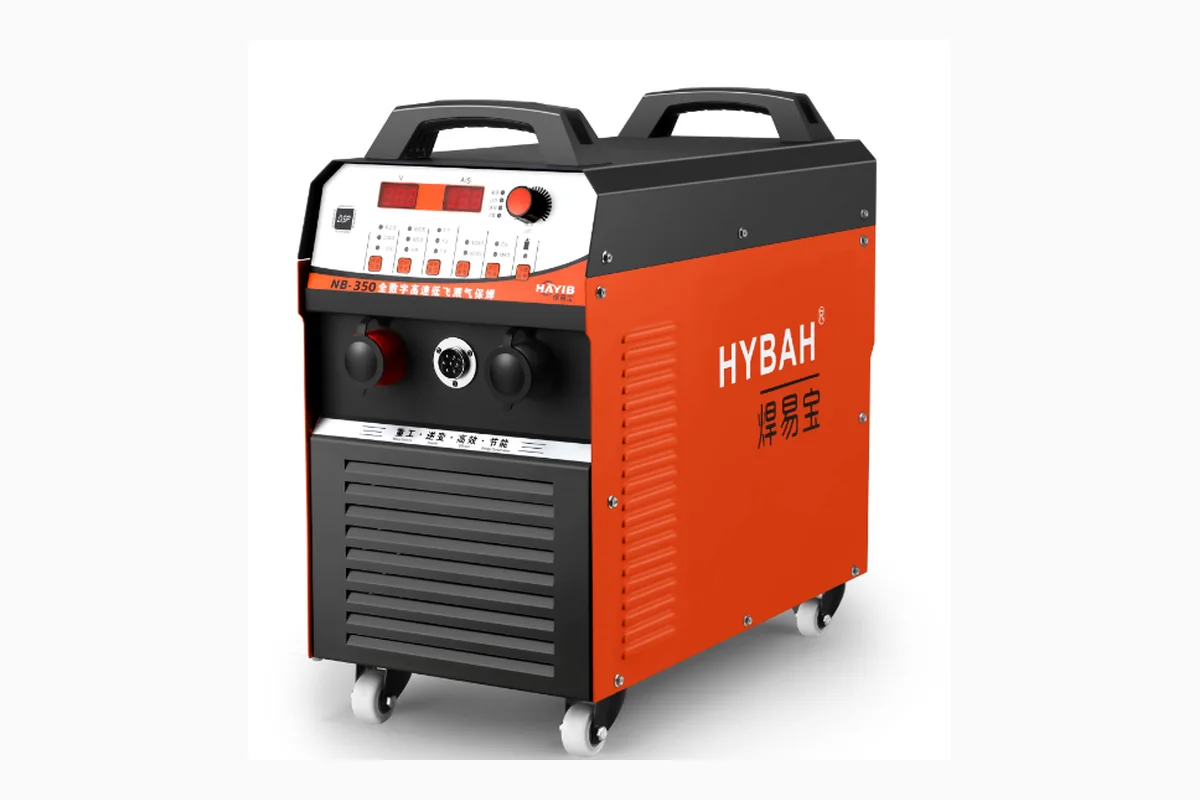
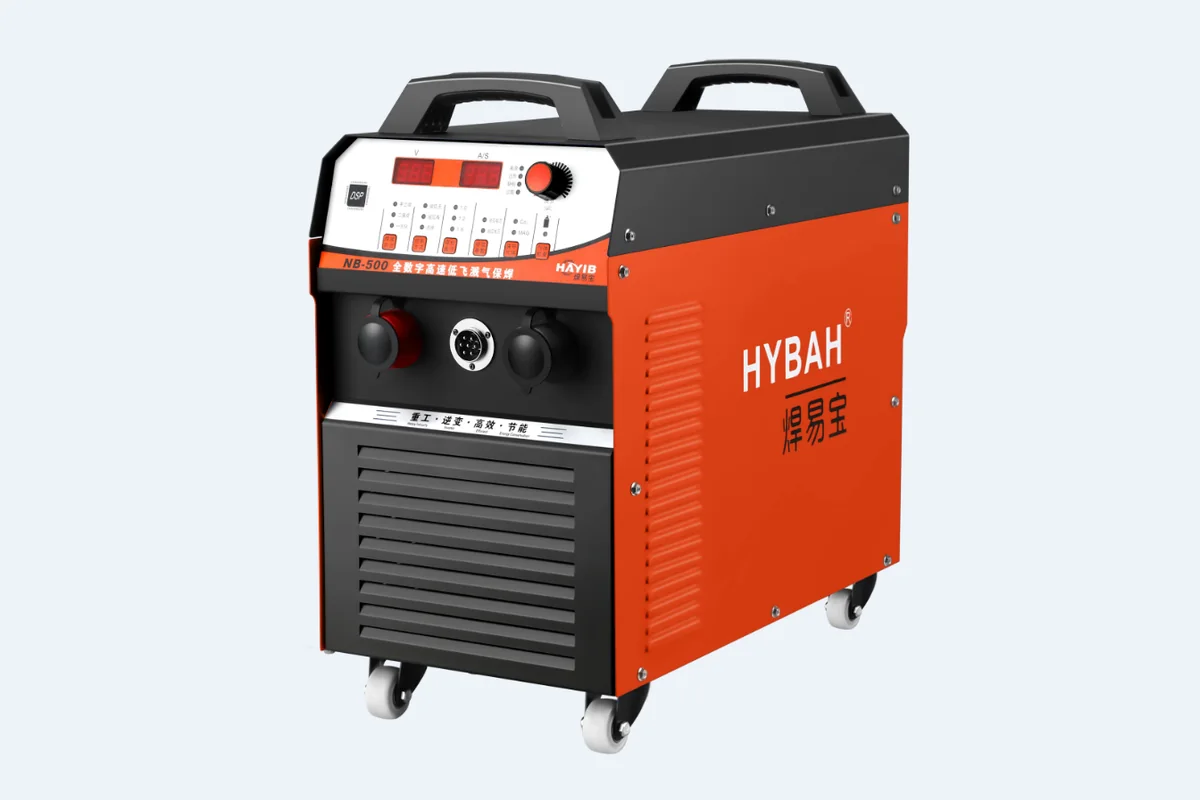
- Contact tips, nozzles and liners — routine consumables on the NB-350 and NB-500 MIG/CO2 welders.
- Forming cams and wire guides — on the ZDTHJ-12 automatic spring making machine (12mm).
Availability: What "In Stock" Should Mean
Ask three specific questions rather than the general "do you carry spares?"
- Which parts are held as finished stock, and which are made to order? Blades, pins, dies and seal kits should be finished stock. Castings and servo components are often made to order — get the lead time in writing.
- Can spares ship with the machine? The lowest-cost approach is to add a wear-part kit to the original shipment. A first kit typically covers one set of shear blades, one set of bending pins, a seal kit, and consumables for welding or threading.
- Are part numbers tied to the model and serial number? A GJZD6-50CZ and a GJZD6-65CZ share a family design but not every component. Supply the machine serial number with every spares enquiry.
Response Time: The Numbers That Matter
Response time has two halves, and suppliers often quote only the flattering one.
Diagnostic response is how fast you get an answer. For a machine under warranty or a production-critical fault, a same-day or next-working-day reply with a troubleshooting sequence is a reasonable benchmark. Send a video of the fault, the model, the serial number, and the control alarm code — this shortens the loop more than any service contract.
Physical delivery is the harder half. International express from China to Europe, Latin America, the Middle East, Southeast Asia or Africa typically runs several days to two weeks depending on destination and customs. For urgent stops, air freight on a small parcel of blades or pins is often cheaper than a day of lost output. Confirm which courier account the supplier uses and who clears customs.
Practical Advice for Buyers
- Build a critical spares list at order stage. Identify the two or three parts whose failure would stop your line, and stock those specifically.
- Ask for a wear-part drawing set. Dimensional drawings let you source simple items locally while keeping complex parts with the OEM.
- Confirm certification requirements early. For Russian and EAC markets, EAC certification documentation should be arranged alongside the machine order, not after arrival.
- Keep a maintenance log per machine. Blade changes, lubrication intervals and hydraulic pressure readings turn a vague "it broke" into a diagnosable fault.
- Use one contact channel. Consolidating spares and technical questions through a single contact — WhatsApp or email — avoids duplicated or contradictory advice.
Working With Gongda
Gongda rebar processing machinery is manufactured in Hefei, Anhui, China, with the factory rooted in the electromechanical works of Hefei University of Technology. The range covers CNC rebar bending centers, stirrup bending machines, arc benders, hydraulic shearing lines, cutting machines, straightening and cutting machines, band saws, thread rolling machines, automatic spring making machines and MIG/CO2 welders, exported to Russia, Spain, Latin America, the Middle East, Southeast Asia and Africa.
For spare parts enquiries, include the machine model, serial number, and a photo or drawing of the component. Contact us on WhatsApp at +86 193 9277 7259 or by email at yuhua0095@gmail.com.
Send your requirement on WhatsApp — we reply within one business day.
WhatsApp Request a Quote →More Articles
Single-Line vs Double-Line Rebar Machines: Which to Choose
Single-Line vs Double-Line Rebar Machines: Which to Choose If you are specifying a CNC rebar forming machine f…
Rebar Machine Electricity Requirements (380V, 50/60Hz)
Rebar Machine Electricity Requirements: 380V, 50/60Hz, and Generator Sizing for Remote Sites Most buyers sourc…
How to Calculate Rebar Processing Productivity
How to Calculate Rebar Processing Productivity: Bends Per Hour, Stirrups Per Shift, and Line Throughput Most b…
Rebar Machine Safety Operation Rules
Rebar Machine Safety Operation Rules: A Practical Guide for Buyers and Operators Rebar processing equipment is…
Rebar Machine Maintenance Checklist
Rebar Machine Maintenance Checklist: Daily, Weekly and Monthly Schedules That Prevent Downtime Every hour a CN…
CNC Stirrup Machine Cost and ROI Calculation
CNC Stirrup Machine Cost and ROI Calculation: What Buyers Should Actually Model When a fabrication shop or reb…
Ready to Talk Numbers?
Send us your rebar processing requirements and get a factory-direct quotation within one business day.