
Setting Up a Rebar Fabrication Workshop: Equipment List
Setting Up a Rebar Fabrication Workshop: Equipment List
Most buyers who contact China Rebar Machinery (Gongda) are not ordering one machine — they are equipping a workshop from zero. The mistake we see most often is buying in the wrong order: a contractor spends the budget on a high-end CNC bending center, then discovers there is no reliable way to cut or straighten the bar feeding it. This article lays out a practical build order for a rebar fabrication shop, with the bending, cutting, and stirrup machines that form the starter set.
Step 1: Cutting Capacity Comes First
Every downstream machine depends on accurately cut bar. If your cutting is slow or out of tolerance, your benders and stirrup machines inherit the error. Start here.
- GQ50A rebar cutting machine — cuts 6–50 mm round steel and 6–36 mm ribbed bar. This is the standard entry-level workhorse for a small to mid-size shop and the most common first purchase we ship.
- GQ70A rebar cutting machine — 70 mm capacity with 160-ton shear force. Choose this if you regularly process 32–40 mm ribbed bar or need high daily tonnage. The jump in shear force is what keeps blades from chipping on large-diameter material.
- GDQX-500 hydraulic rebar shearing production line — for shops moving into continuous production. Instead of feeding bar by hand, the line handles the cut cycle automatically, which matters once you are cutting several tonnes per shift.
Practical note: match the cutting machine to the largest bar you actually expect to see, not the largest bar you might theoretically quote. Oversizing costs money; undersizing means re-cutting by hand.
Step 2: Bending — Manual, CNC, or Both
Bending is where most workshops split their investment. Simple shape work and heavy bar are usually handled on separate machines.
For general shape bending
- GJZD6-50CZ CNC rebar bending machine — handles up to 50 mm with a 420 mm working table. This is the standard CNC bending machine for a starter workshop and covers the majority of column, beam, and foundation cage shapes.
- GJZD6-65CZ CNC rebar bending machine — same platform, up to 65 mm, for shops that regularly see large-diameter bar.
For large-radius and curved work
- GWH50CG / GWH50CZN arc bending machine — 50 mm capacity for curved bar, tunnel segments, and circular cages.
- SKDZWH-36 / GDWHWQ-36 CNC arc bender — 36 mm, CNC-controlled, for repeatable curved shapes.
For high-volume or complex geometry
- GDLWZX-32 vertical bending center — 32 mm, vertical orientation, useful where floor space is tight.
- GDPMW-60 plane bending center — 60 mm, for heavy flat-plane bending work.
If your order book is mostly standard shapes, a single GJZD6-50CZ plus a GQ50A will carry the shop. Add arc bending only when curved work becomes a recurring request.
Step 3: Stirrup Machines — Where the Volume Is
Stirrups are repetitive, high-count, and the fastest way to lose money if made by hand. This is usually the second major purchase after cutting and bending.
- GW25 CNC single-head stirrup bender — round steel up to 25 mm. Single-head machines are the right starting point for a workshop with moderate stirrup demand and limited floor space.
- ZD-6M-25 five-head stirrup machine — 25 mm capacity, five-head configuration for higher output per shift.
- ZD-6M-20 five-head stirrup machine — 20 mm capacity, a lower-cost option where stirrup diameters stay below 20 mm.
The decision rule is simple: if stirrup work is a small share of your output, one GW25 is enough. If stirrups are a core product line, the five-head ZD-6M-25 pays back quickly through reduced handling and setup time.
Step 4: Straightening, Threading, and Support Equipment
These are not always day-one purchases, but they remove bottlenecks that appear within the first year.
- YGT4-15A straightening & cutting machine — 4–15 mm with VFD control. Essential if you buy coil rather than cut-to-length bar.
- HGS-40 thread rolling machine — 40 mm, for mechanical splicing and coupler work.
- GD-350ZD band saw — 350 mm, for clean cuts on bundled or large-section material.
- ZDTHJ-12 automatic spring making machine — 12 mm, for shops supplying spring and spiral products.
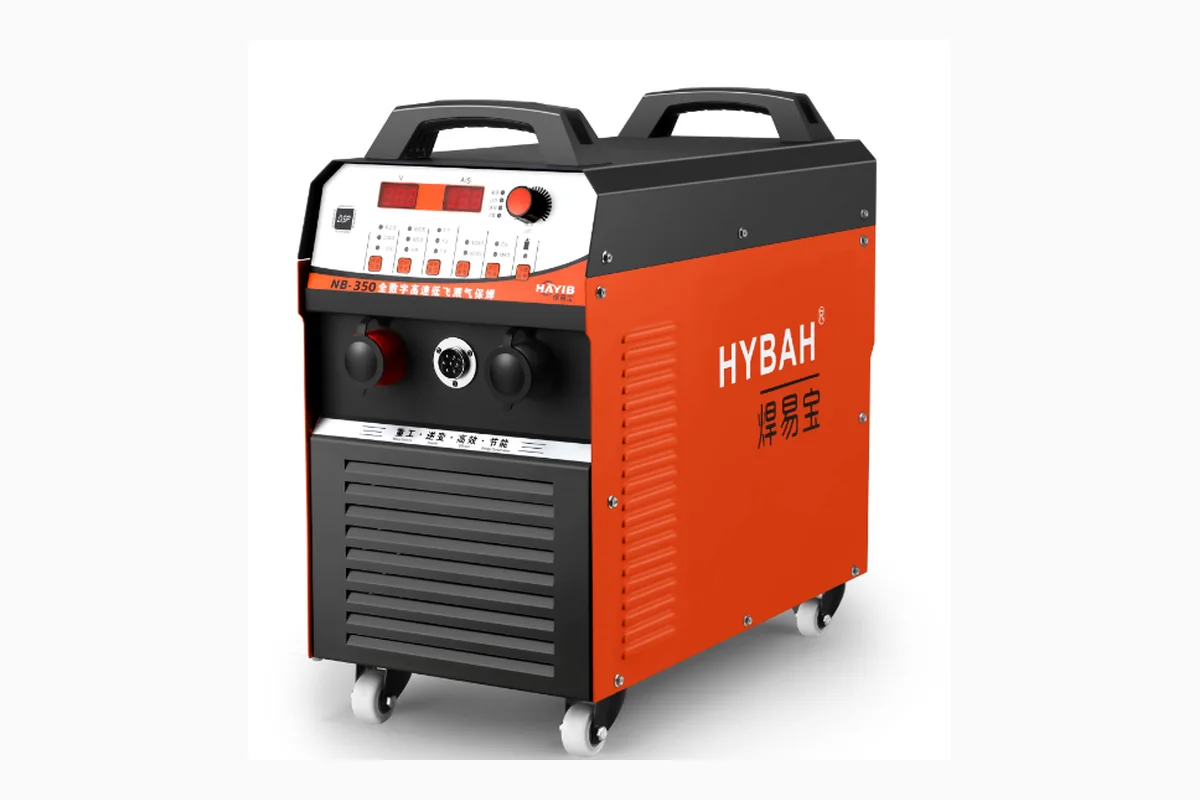
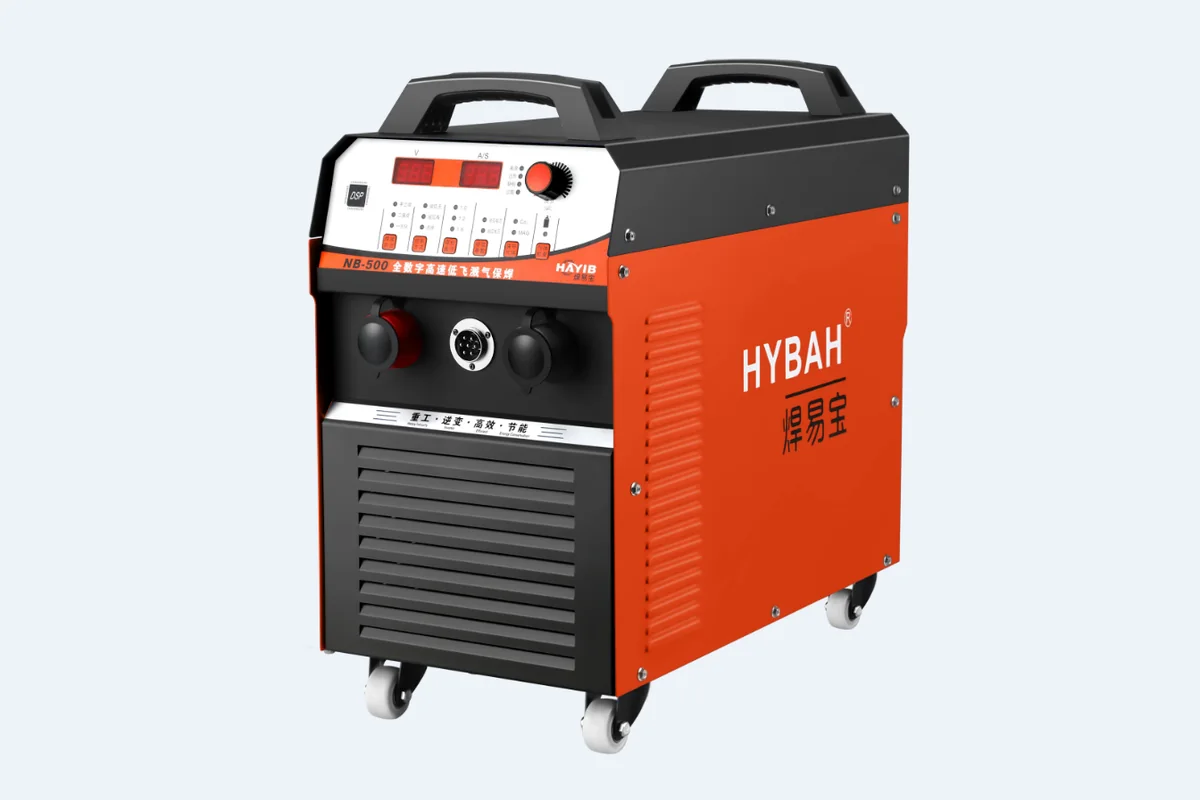
- NB-350 and NB-500 MIG/CO2 welders — for cage assembly and fabrication support.
A Realistic Starter Set
For a workshop targeting general building rebar work at moderate volume, a proven configuration is:
- 1 × GQ50A cutting machine (or GQ70A if large bar is common)
- 1 × GJZD6-50CZ CNC bending machine
- 1 × GW25 single-head stirrup bender
- 1 × YGT4-15A straightening & cutting machine if working from coil
This set covers cutting, shape bending, and stirrup production — the three operations that account for most labor hours in a rebar shop. Add arc bending, thread rolling, or a shearing line once specific jobs justify them.
Certification, Export, and Support
Gongda machines are manufactured in Hefei, Anhui, at a factory rooted in the electromechanical works of Hefei University of Technology, and are exported to Russia, Spain, Latin America, the Middle East, Southeast Asia, and Africa. EAC certification is available for Russian and CIS buyers, which is frequently a tender requirement rather than an optional extra.
For model selection, voltage configuration, or a quotation on a starter set, contact us directly:
- WhatsApp: +86 193 9277 7259
- Email: yuhua0095@gmail.com
- Website: chinarebarmachinery.com
Send us your bar diameters, typical shapes, and target daily tonnage — we will recommend the specific model mix rather than a generic package.
Send your requirement on WhatsApp — we reply within one business day.
WhatsApp Request a Quote →More Articles
Single-Line vs Double-Line Rebar Machines: Which to Choose
Single-Line vs Double-Line Rebar Machines: Which to Choose If you are specifying a CNC rebar forming machine f…
Rebar Machine Electricity Requirements (380V, 50/60Hz)
Rebar Machine Electricity Requirements: 380V, 50/60Hz, and Generator Sizing for Remote Sites Most buyers sourc…
How to Calculate Rebar Processing Productivity
How to Calculate Rebar Processing Productivity: Bends Per Hour, Stirrups Per Shift, and Line Throughput Most b…
Rebar Machine Safety Operation Rules
Rebar Machine Safety Operation Rules: A Practical Guide for Buyers and Operators Rebar processing equipment is…
Rebar Machine Maintenance Checklist
Rebar Machine Maintenance Checklist: Daily, Weekly and Monthly Schedules That Prevent Downtime Every hour a CN…
CNC Stirrup Machine Cost and ROI Calculation
CNC Stirrup Machine Cost and ROI Calculation: What Buyers Should Actually Model When a fabrication shop or reb…
Ready to Talk Numbers?
Send us your rebar processing requirements and get a factory-direct quotation within one business day.