
How to Import Rebar Machines to Saudi Arabia
How to Import Rebar Machines to Saudi Arabia
Saudi Arabia is one of the largest construction markets in the GCC, and rebar fabrication is at the center of it. Whether you are supplying a NEOM-linked infrastructure package, a Riyadh high-rise, or a precast yard in Dammam, the equipment you import must clear Saudi conformity rules before it can be used on site. This guide covers the SASO/SABER process, the machine types that fit Saudi demand, and the logistics realities of shipping from China.
1. Understand SASO and the SABER Platform
Saudi Arabia requires most regulated products to carry a Certificate of Conformity (CoC). Since 2019, this is handled through SABER, the online system run by SASO (Saudi Standards, Metrology and Quality Organization). The process has two stages:
- Product Certificate of Conformity (PCoC) — issued per product/model, valid for one year. Your Chinese exporter or their authorized lab issues this.
- Shipment Certificate of Conformity (SCoC) — issued per shipment, required for customs clearance at the Saudi port.
For rebar processing machinery, the applicable technical regulations typically fall under Machinery Safety (Technical Regulation M.A.-164-18-06-01) and Electrical Equipment where motors and control panels are involved. Your supplier must be able to provide:
- CE or equivalent test reports for electrical safety (IEC 60204-1 for machine control systems)
- Declaration of Conformity from the manufacturer
- Nameplate data matching the invoice and packing list
- Arabic and English labeling or manual where required
Gongda (Hefei University of Technology–rooted factory) supplies EAC certification for Russian markets and can prepare documentation packages for SASO/SABER on request. Confirm this before purchase — a missing test report can hold a container at Jeddah Islamic Port for weeks.
2. Match Machine Models to Saudi Site Requirements
Saudi projects tend to use high volumes of 12–32 mm rebar, with large-diameter bar on heavy civil works. Practical model choices:
- CNC bending: GJZD6-50CZ (up to 50 mm, 420 mm working table) for standard fabrication; GJZD6-65CZ for heavier bar on bridge and foundation work.
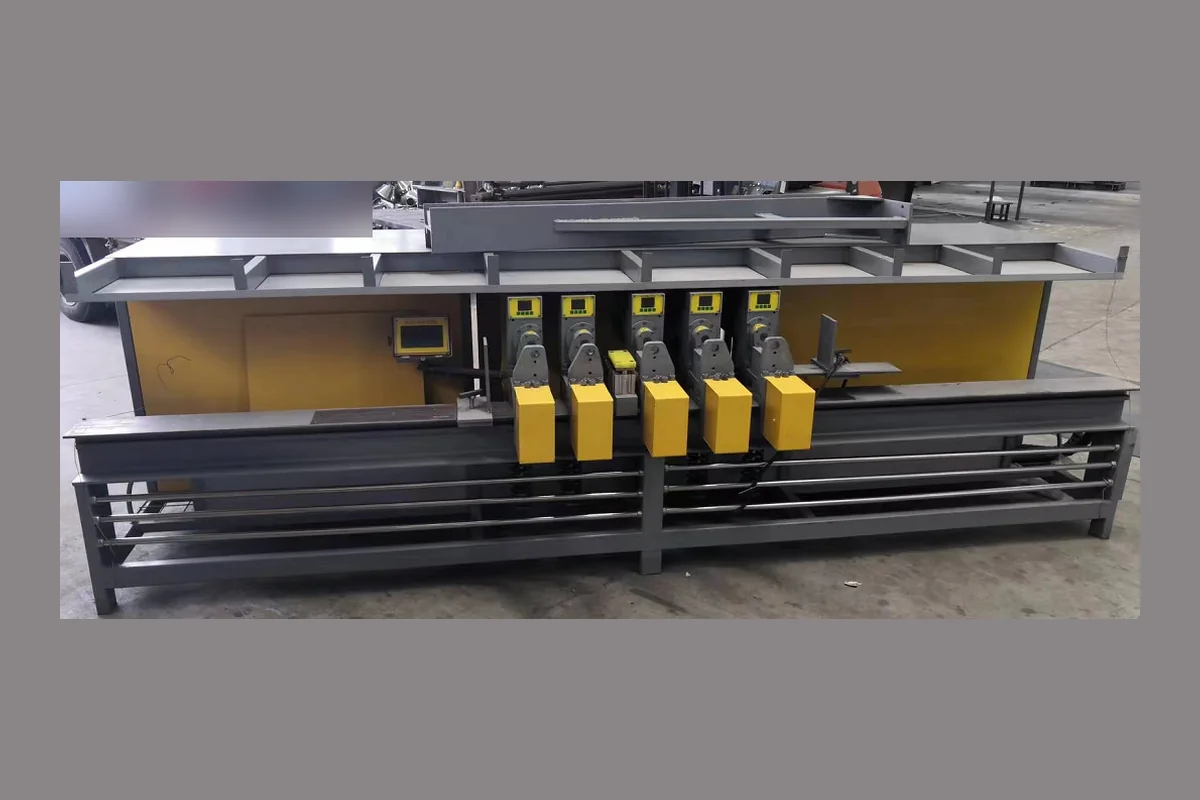
- Stirrups: GW25 single-head CNC stirrup bender (round steel to 25 mm) for medium output; ZD-6M-25 or ZD-6M-20 five-head machines for high-volume stirrup production.
- Arc bending: GWH50CG / GWH50CZN (50 mm) and SKDZWH-36 / GDWHWQ-36 (36 mm CNC) for tunnel linings, ring beams, and curved cage work.
- Shearing and cutting: GQ70A (70 mm, 160-ton shear force) and GQ50A (6–50 mm round / 6–36 mm ribbed) for site cutting; GDQX-500 hydraulic shearing line for yard-based production.
- Straightening: YGT4-15A with VFD for 4–15 mm coil.
- Thread rolling: HGS-40 for 40 mm mechanical splice preparation — widely specified on Saudi structural jobs.
- Band saw: GD-350ZD for 350 mm stock.
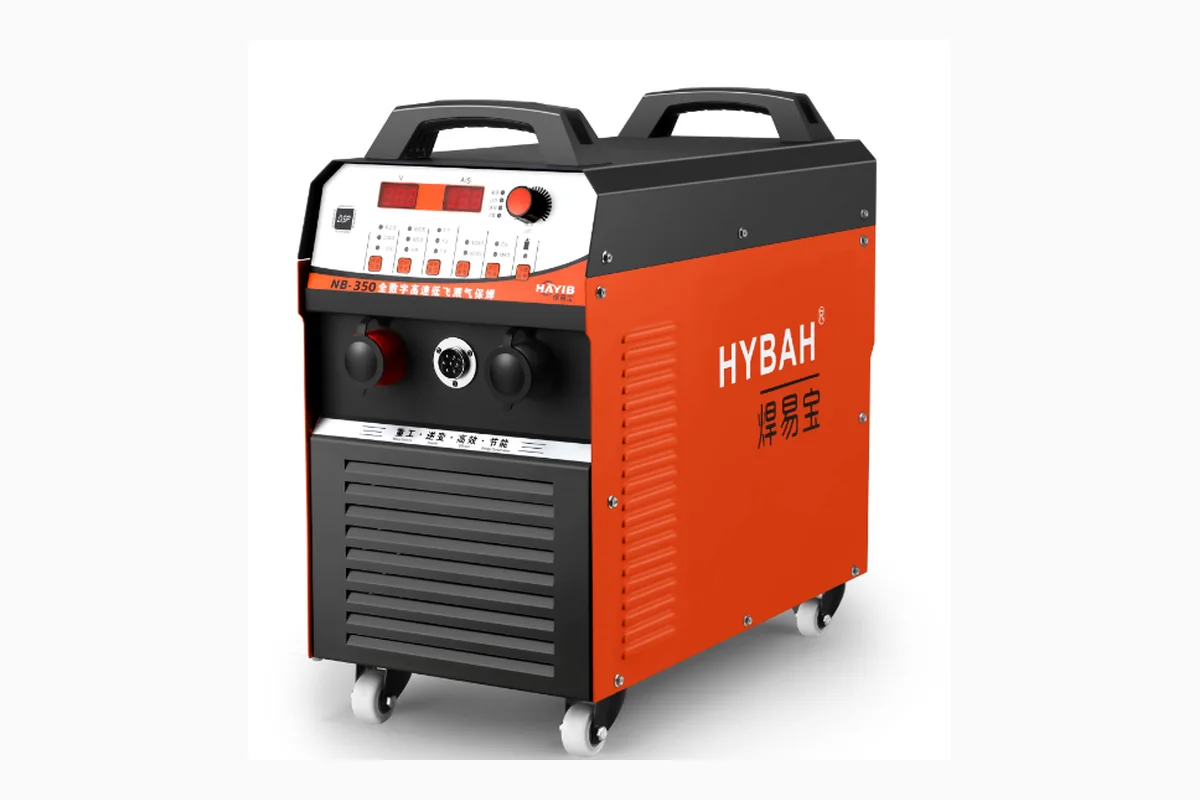
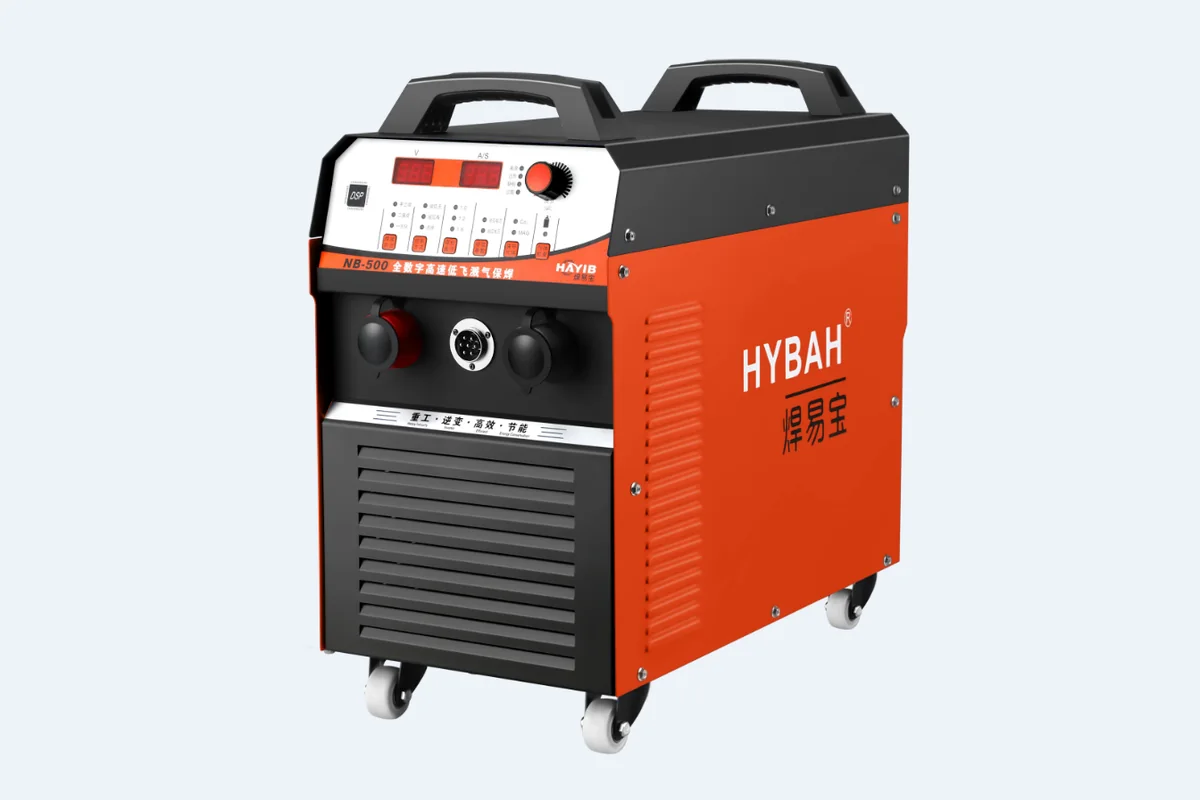
- Welding: NB-350 and NB-500 MIG/CO2 units for cage fabrication.
Specify 380–400 V / 50 Hz motors and control voltage consistent with Saudi site power. Confirm the machine accepts 60 °C ambient operation — summer site temperatures in Riyadh and Jeddah routinely exceed 45 °C, and undersized cooling on hydraulic power units is a common failure point.
3. Documentation and Labeling
Prepare a document set that matches across all paperwork:
- Commercial invoice, packing list, bill of lading
- PCoC and SCoC via SABER
- Certificate of Origin (usually Form A or a CCPIT-issued CO)
- Test reports and CE/EAC certificates where applicable
- Operation and maintenance manuals in English (Arabic preferred for site handover)
Machine nameplates must show model, serial number, voltage, frequency, and manufacturer. Any mismatch between nameplate and invoice is a common cause of Saudi customs delays.
4. Logistics: Ports, Shipping, and Inland Delivery
Main Saudi entry points for machinery are Jeddah Islamic Port (Red Sea, serving western projects), King Abdulaziz Port in Dammam (eastern province, oil and gas work), and King Abdullah Port (Rabigh). From Hefei, typical routing is:
- FCL 20 ft or 40 ft from Shanghai or Ningbo to Jeddah (about 22–30 days) or Dammam (about 25–35 days).
- LCL for single machines, but expect longer clearance and higher risk of damage — crating must be seaworthy.
Practical shipping advice:
- Use fumigated wooden crates with ISPM 15 stamp; Saudi customs rejects untreated wood packaging.
- Anchor heavy machines (GQ70A, GDQX-500) to the container floor with steel strapping.
- Protect control panels and CNC displays with moisture barrier film — Red Sea humidity is high.
- Declare HS codes accurately. Rebar benders and cutters generally fall under HS 8462 or 8463; incorrect classification triggers inspection.
5. After-Sales and Spares
Importing is only half the job. Before ordering, agree on:
- Spare parts list shipped with the machine (shear blades, bending pins, hydraulic seals, limit switches)
- Warranty terms and response time
- Remote commissioning support via video, or a technician visit if required
- Availability of consumables such as thread rolling dies for HGS-40
For Saudi buyers, the fastest route to a compliant, working machine is to confirm SABER documentation, voltage and ambient rating, and shipping terms before the deposit is paid. Gongda exports to the Middle East, Russia, Latin America, Southeast Asia and Africa, and can quote FOB, CFR Jeddah, or CFR Dammam.
Contact for specifications, pricing, and SASO documentation: WhatsApp +86 193 9277 7259 or email yuhua0095@gmail.com.
Send your requirement on WhatsApp — we reply within one business day.
WhatsApp Request a Quote →More Articles
Single-Line vs Double-Line Rebar Machines: Which to Choose
Single-Line vs Double-Line Rebar Machines: Which to Choose If you are specifying a CNC rebar forming machine f…
Rebar Machine Electricity Requirements (380V, 50/60Hz)
Rebar Machine Electricity Requirements: 380V, 50/60Hz, and Generator Sizing for Remote Sites Most buyers sourc…
How to Calculate Rebar Processing Productivity
How to Calculate Rebar Processing Productivity: Bends Per Hour, Stirrups Per Shift, and Line Throughput Most b…
Rebar Machine Safety Operation Rules
Rebar Machine Safety Operation Rules: A Practical Guide for Buyers and Operators Rebar processing equipment is…
Rebar Machine Maintenance Checklist
Rebar Machine Maintenance Checklist: Daily, Weekly and Monthly Schedules That Prevent Downtime Every hour a CN…
CNC Stirrup Machine Cost and ROI Calculation
CNC Stirrup Machine Cost and ROI Calculation: What Buyers Should Actually Model When a fabrication shop or reb…
Ready to Talk Numbers?
Send us your rebar processing requirements and get a factory-direct quotation within one business day.