
Rebar Band Saw Selection Guide (GD-350ZD)
Rebar Band Saw Selection Guide: Why Cold Cutting Matters for Large Bars
When you are cutting 32mm, 40mm, or 50mm rebar on a daily basis, the method you choose directly affects your downstream operations. Abrasive saws burn through discs, throw sparks, and leave a heat-affected zone that hardens bar ends. Hydraulic shears work well for smaller diameters but can deform large bars and leave rough, angled faces. For large-diameter rebar where cut quality matters, a band saw is often the better answer. This guide explains what to look for, using the Gongda GD-350ZD as a reference point.
What "Cold Cutting" Actually Means for Rebar
A band saw cuts by running a continuous toothed blade through the bar at relatively low surface speed. The cut stays cool — hence "cold cutting." The practical consequences are significant:
- No heat-affected zone. The metallurgy at the cut face is unchanged, so the bar behaves predictably in subsequent threading, bending, or welding.
- Square, clean faces. A band saw produces a flat, perpendicular cut, which matters when bars feed into thread rolling machines such as the HGS-40 or into CNC bending centers.
- No sparks or abrasive dust. Safer working environment and less cleanup around the machine.
- Lower cost per cut on large diameters. Abrasive discs wear quickly on 40mm+ bar; a band saw blade lasts far longer.
Key Specifications to Evaluate
1. Maximum Cutting Capacity
Match capacity to your largest routine bar, not your occasional maximum. The GD-350ZD handles up to 350mm cutting capacity, which covers large-diameter rebar as well as bundled cutting and structural sections. If you regularly cut 40mm–50mm bar, a 350mm-class machine gives you comfortable headroom rather than running at the limit.
2. Blade Type and Speed Control
Bi-metal blades are the standard for rebar. Variable or stepped speed control lets you slow the blade for large diameters and hard material, and speed it up for smaller bars. Running too fast on thick bar is the most common cause of premature blade failure.
3. Clamping System
Large bars need rigid clamping. A machine with a hydraulic or heavy screw vise holds the bar firmly so the blade does not chatter. Chatter produces crooked cuts and short blade life. Check that the vise opening matches your bar range and that the clamping force is adequate for bundled cuts.
4. Feed Control
Gravity feed with adjustable counterbalance or hydraulic down-feed both work. The critical point is that feed rate can be tuned. Too fast and you strip teeth; too slow and you work-harden the surface. A machine that lets the operator control descent precisely will outlast one with a fixed feed.
5. Coolant and Chip Handling
Flood coolant is standard and necessary for production cutting. Confirm the coolant system is easy to fill, filter, and drain. Chip accumulation under the vise is a maintenance issue — look for a design that lets swarf fall clear of the clamping area.
Where the GD-350ZD Fits
The Gongda GD-350ZD is a 350mm-capacity band saw built for exactly this job: clean cold cuts on large rebar and bundled bar. It is suited to fabrication shops that also run equipment such as the GQ70A cutting machine (70mm capacity, 160-ton shear force) or the GDQX-500 hydraulic shearing line, but need a saw for the cuts where finish quality and metallurgical integrity matter more than raw speed.
A practical shop setup often pairs machines by role:
- GQ50A or GQ70A for fast, high-volume cutting of smaller bar (6–50mm round / 6–36mm ribbed on the GQ50A).
- GD-350ZD band saw for large-diameter bar, precision-length cuts, and any bar headed to thread rolling or CNC bending.
- YGT4-15A straightening and cutting machine with VFD for coiled bar in the 4–15mm range.
Practical Selection Advice
- Cut quality first. If your bars go into a thread rolling machine (e.g., HGS-40) or a CNC bending center (GJZD6-50CZ, GJZD6-65CZ), a square cold-cut face reduces setup problems and rejects.
- Size for bundles. If you cut multiple bars at once, capacity and clamping force matter more than blade speed.
- Budget for blades, not just the machine. Blade consumption is the main running cost. A machine that clamps rigidly and feeds smoothly will use fewer blades.
- Confirm certification for your market. Gongda equipment can be supplied with EAC certification for Russia and CIS markets. Buyers in Latin America, the Middle East, Southeast Asia, and Africa should confirm voltage, frequency, and documentation requirements before ordering.
- Ask about spare parts availability. Vise jaws, blade guides, and coolant pumps are wear items. Confirm lead times before purchase.
Matching the Saw to Your Production Line
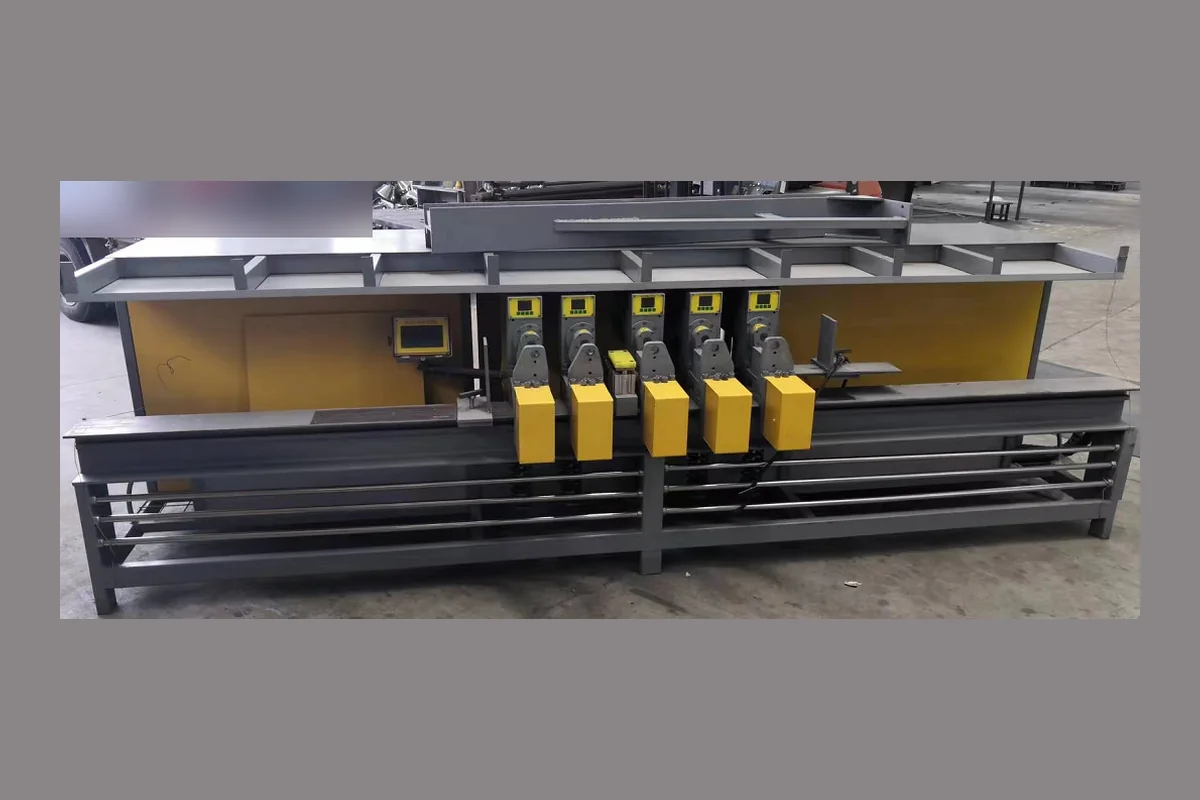
Band saws rarely work alone. In a typical rebar processing line, the saw sits between cutting and forming. Bars are cut to length, then move to a CNC bending center (GJZD6-50CZ up to 50mm, GJZD6-65CZ up to 65mm), a stirrup bender (GW25 single-head, or ZD-6M-25 / ZD-6M-20 five-head machines), or an arc bender (GWH50CG, SKDZWH-36). The cleaner the cut, the more smoothly the bar feeds and the more accurate the finished shape.
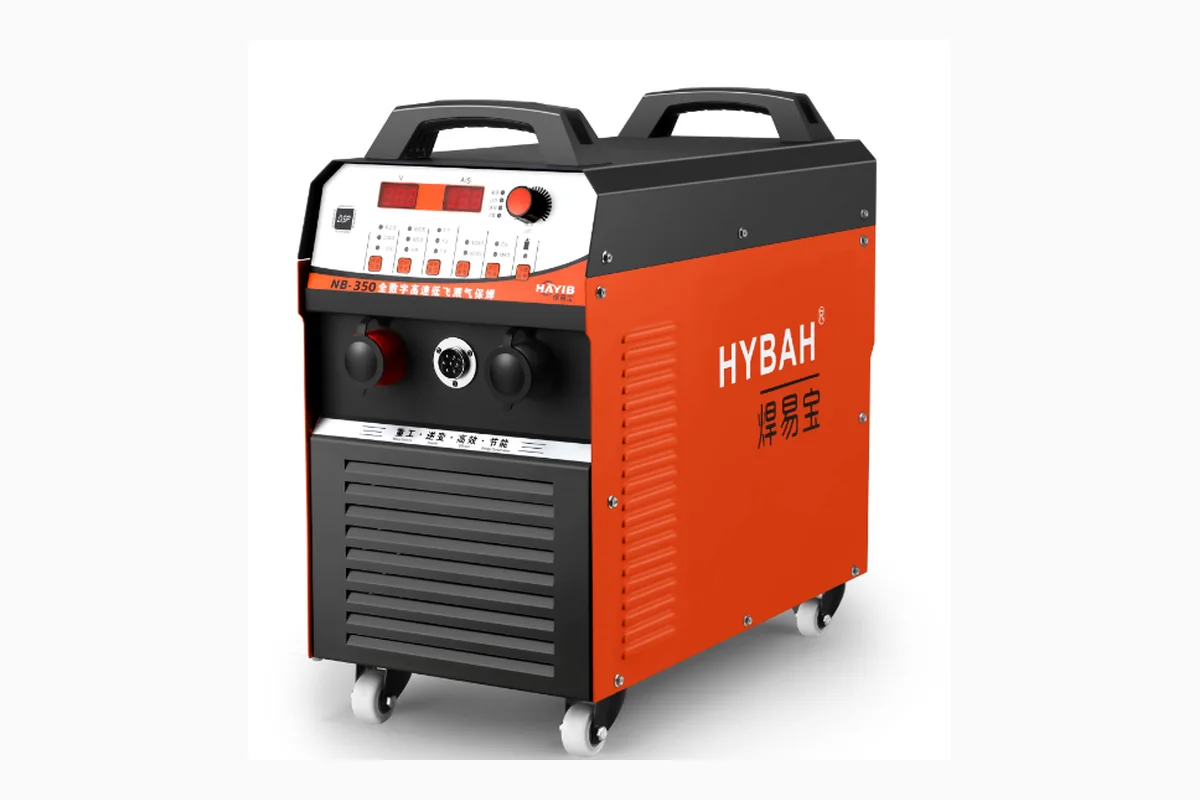
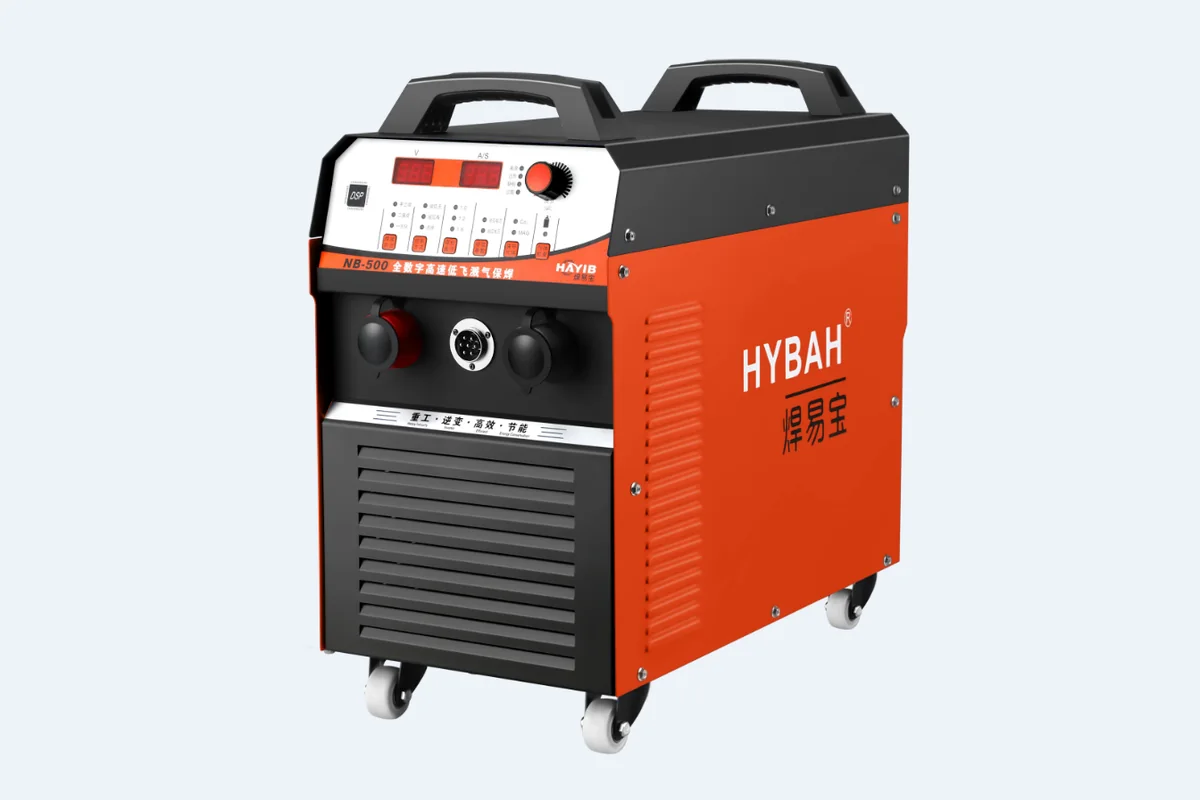
For shops running automatic spring making machines (ZDTHJ-12) or welding stations (NB-350, NB-500 MIG/CO2 welders), cold-cut bar also means no hardened ends to fight during welding or coiling.
Getting a Quote
If you are evaluating a band saw for large-diameter rebar, specify your bar diameters, bundle sizes, daily cut volume, and target market. That information determines capacity, blade specification, and voltage configuration.
China Rebar Machinery (Gongda), based in Hefei, Anhui, builds the GD-350ZD and the full range of rebar processing equipment, with roots in the electromechanical works of Hefei University of Technology. Contact us on WhatsApp at +86 193 9277 7259 or email yuhua0095@gmail.com with your cutting requirements for a specific recommendation.
Send your requirement on WhatsApp — we reply within one business day.
WhatsApp Request a Quote →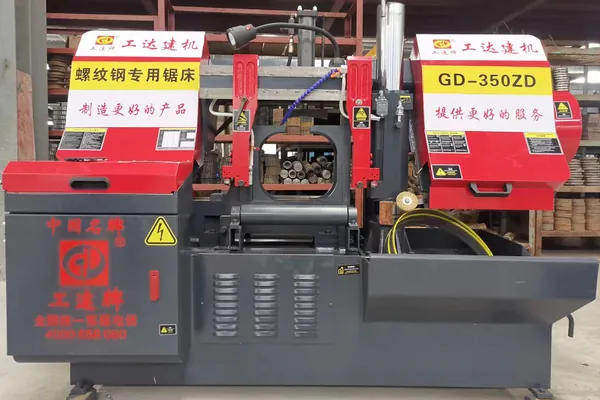
More Articles
Single-Line vs Double-Line Rebar Machines: Which to Choose
Single-Line vs Double-Line Rebar Machines: Which to Choose If you are specifying a CNC rebar forming machine f…
Rebar Machine Electricity Requirements (380V, 50/60Hz)
Rebar Machine Electricity Requirements: 380V, 50/60Hz, and Generator Sizing for Remote Sites Most buyers sourc…
How to Calculate Rebar Processing Productivity
How to Calculate Rebar Processing Productivity: Bends Per Hour, Stirrups Per Shift, and Line Throughput Most b…
Rebar Machine Safety Operation Rules
Rebar Machine Safety Operation Rules: A Practical Guide for Buyers and Operators Rebar processing equipment is…
Rebar Machine Maintenance Checklist
Rebar Machine Maintenance Checklist: Daily, Weekly and Monthly Schedules That Prevent Downtime Every hour a CN…
CNC Stirrup Machine Cost and ROI Calculation
CNC Stirrup Machine Cost and ROI Calculation: What Buyers Should Actually Model When a fabrication shop or reb…
Ready to Talk Numbers?
Send us your rebar processing requirements and get a factory-direct quotation within one business day.