
Rebar Thread Rolling Machine Guide (HGS-40)
Rebar Thread Rolling Machine Guide: Getting Mechanical Splicing Right with the HGS-40
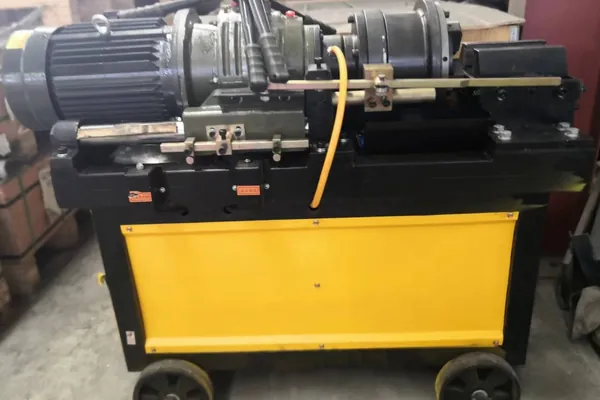
Mechanical splicing has largely replaced lap splicing on projects where rebar congestion, structural continuity, or seismic performance matters. Instead of overlapping bars and wasting steel, you cut a parallel thread onto each bar end and join them with a coupler. The quality of that thread decides whether the joint reaches the specified tensile strength — and the machine that cuts it decides the thread quality. This guide covers what buyers should know before specifying a rebar thread rolling machine, using the Gongda HGS-40 as a reference point.
Why Thread Rolling Beats Thread Cutting
There are two ways to put a thread on a rebar end: cutting or rolling. Cutting removes material and severs the rib structure, leaving a weaker cross-section and a stress concentration at the thread root. Rolling displaces material instead — the bar's own steel is cold-worked outward into the thread profile, which increases local hardness and keeps the effective diameter closer to the parent bar.
For a 40mm capacity machine like the HGS-40, this distinction matters most at the top of the range. A rolled M36 or M40 thread on a large-diameter bar retains more of its load path than a cut thread, which is why rolled threads are the default choice for coupler systems tested to ISO 15835 or equivalent acceptance criteria.
What the HGS-40 Handles
- Capacity: rebar up to 40mm diameter, covering the common M16–M40 coupler range with the appropriate roller dies
- Thread type: parallel (straight) thread for standard couplers; tapered and upset-end variants available with die changes
- Drive: electric motor with forward/reverse control and adjustable rolling head
- Operation: typically 2–3 operators — one feeding, one rolling, one gauging — or fewer with a well-organized bench layout
Cycle time depends on bar diameter and thread length. On smaller bars (16–25mm) a trained crew can roll a thread in well under a minute; at 36–40mm, expect longer cycles and more attention to die condition.
Thread Quality: The Variables That Actually Matter
Most field failures in mechanical splicing trace back to one of four causes, none of which is the coupler itself:
- Wrong thread length. The thread must be long enough for full coupler engagement — typically half the coupler length plus a margin. Too short and the joint pulls out; too long and the bar bottoms out before the coupler seats.
- Die wear. Roller dies are consumables. Worn dies produce shallow, undersized threads that pass a visual check but fail torque or tensile testing. Track thread counts per die set and replace on schedule, not on failure.
- Bar end condition. Crooked cuts, excessive ovality, or rust scale on the bar end all degrade thread form. Square-cut ends and clean bar faces are prerequisites, not optional.
- Lubrication and cooling. Rolling generates heat. Consistent lubrication protects both the dies and the thread surface finish.
A simple shop-floor discipline — gauge every thread with the matching thread gauge and ring gauge, and log it — catches most problems before they reach the coupler.
Matching the Machine to the Work
The HGS-40 is a mid-to-high capacity unit suited to precast plants, rebar fabrication shops, and larger site operations. If your work is mostly 16–25mm bar with occasional 32mm, a smaller machine may cycle faster and cost less. If you regularly run 36–40mm bar, the HGS-40's capacity headroom avoids the tendency to overload a smaller machine, which is a common cause of premature die and spindle wear.
Consider also how the machine fits your line. Thread rolling is usually one station in a larger workflow: cutting, bending, threading, then assembly. Gongda's broader rebar equipment range — from the GQ70A cutting machine (70mm capacity, 160-ton shear force) and GQ50A (6–50mm round / 6–36mm ribbed) through to the GDQX-500 hydraulic shearing line and the GJZD6-50CZ CNC bending center — means a buyer can source the whole rebar processing chain from one supplier, which simplifies spare parts and service.
Buying Checklist for Export Orders
- Confirm the coupler standard. Thread dimensions, pitch, and length must match the coupler system you intend to use — specify this before ordering dies.
- Ask about certification. For Russia and CIS markets, EAC certification is available on Gongda equipment; confirm it covers the specific model and voltage configuration you need.
- Specify voltage and plug type. Export units ship to Russia, Spain, Latin America, the Middle East, Southeast Asia, and Africa — each with different power standards.
- Order spare dies and gauges with the machine. Dies are the wear item; having a spare set on the shelf prevents a stalled pour.
- Request a test report or sample thread. A rolled sample on your own bar grade is the fastest way to verify thread form before committing to a full order.
Practical Advice Before You Buy
Mechanical splicing saves steel and speeds up site work, but only if the thread is right. Budget for die replacements as a running cost, train operators to gauge every thread, and buy a machine with capacity headroom rather than one that maxes out on your largest bar. The HGS-40's 40mm ceiling suits shops that need that headroom; smaller operations can step down and reinvest the difference in spare tooling.
For model specifications, die options, EAC documentation, or a quotation, contact the Gongda export team at China Rebar Machinery: WhatsApp +86 193 9277 7259 or email yuhua0095@gmail.com.
Send your requirement on WhatsApp — we reply within one business day.
WhatsApp Request a Quote →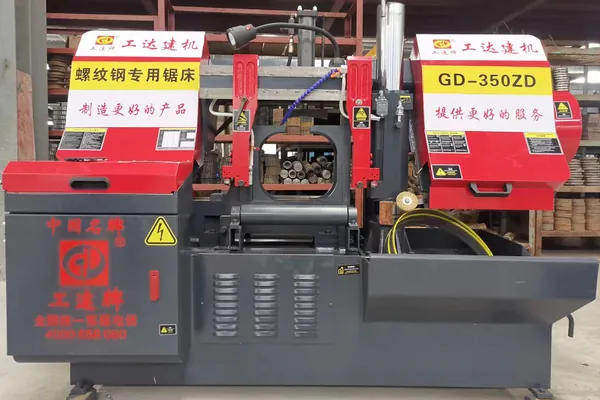
More Articles
Single-Line vs Double-Line Rebar Machines: Which to Choose
Single-Line vs Double-Line Rebar Machines: Which to Choose If you are specifying a CNC rebar forming machine f…
Rebar Machine Electricity Requirements (380V, 50/60Hz)
Rebar Machine Electricity Requirements: 380V, 50/60Hz, and Generator Sizing for Remote Sites Most buyers sourc…
How to Calculate Rebar Processing Productivity
How to Calculate Rebar Processing Productivity: Bends Per Hour, Stirrups Per Shift, and Line Throughput Most b…
Rebar Machine Safety Operation Rules
Rebar Machine Safety Operation Rules: A Practical Guide for Buyers and Operators Rebar processing equipment is…
Rebar Machine Maintenance Checklist
Rebar Machine Maintenance Checklist: Daily, Weekly and Monthly Schedules That Prevent Downtime Every hour a CN…
CNC Stirrup Machine Cost and ROI Calculation
CNC Stirrup Machine Cost and ROI Calculation: What Buyers Should Actually Model When a fabrication shop or reb…
Ready to Talk Numbers?
Send us your rebar processing requirements and get a factory-direct quotation within one business day.