
Five-Head Stirrup Machine Guide (ZD-6M-25 / ZD-6M-20)
Five-Head Stirrup Machine Guide: ZD-6M-25 and ZD-6M-20
If your rebar fabrication shop is running one or two single-head stirrup benders and still missing delivery dates, the bottleneck is usually not the operator — it is the machine architecture. A five-head stirrup machine such as the Gongda ZD-6M-25 or ZD-6M-20 bends five stirrups simultaneously from the same program, which changes the economics of high-volume hoop and tie production. This guide covers where the five-head format wins, where it does not, and how to compare it against a CNC single-head bender like the GW25.
How a Five-Head Stirrup Machine Works
A conventional single-head stirrup bender feeds, bends and cuts one stirrup per cycle. The ZD-6M series runs five bending heads on a shared feed and control system, so each cycle produces five identical closed stirrups. The ZD-6M-25 handles round steel up to 25 mm, while the ZD-6M-20 covers up to 20 mm. Both are aimed at the same job type: repetitive rectangular, square and simple polygonal stirrups in the 6–25 mm range, produced in thousands rather than dozens.
Because the heads work in parallel, output scales roughly with head count for suitable geometries. In practice, a five-head machine running a 400 × 400 mm stirrup will out-produce a single-head bender by a wide margin on the same floor space and with one operator. That is the entire value proposition.
Five-Head vs Single-Head: The Real Productivity Math
Productivity comparisons only hold when the part is a good fit. Use these rules when deciding:
- High-volume, repetitive stirrups: Five-head wins clearly. If a project needs 5,000 identical column ties, the ZD-6M-25 will finish in a fraction of the time a GW25 single-head bender needs.
- Mixed, low-quantity batches: Single-head wins. A GW25 changes shape in seconds and handles one-off and short-run work without setup waste. On a five-head machine, every changeover affects five heads.
- Large or complex shapes: Single-head or CNC bending centers win. The GJZD6-50CZ (up to 50 mm, 420 mm working table) and GJZD6-65CZ (up to 65 mm) handle heavier bar and more complex geometry than any stirrup bender.
- Labor: Five-head machines let one operator replace several single-head stations, which matters most where skilled bender operators are scarce or expensive.
A useful benchmark: calculate your monthly stirrup volume by diameter and shape. If more than roughly 60–70% of that volume falls into repetitive shapes at 20 mm or below, a five-head machine usually pays back within one to two years. Below that threshold, the changeover time eats the advantage.
ZD-6M-25 vs ZD-6M-20: Which One to Buy
The choice is mostly about bar diameter, not head count. The ZD-6M-25 covers round steel up to 25 mm and is the better fit for heavier column ties and larger hoops. The ZD-6M-20 handles up to 20 mm and suits typical beam stirrups, links and smaller hoops where 25 mm capacity would never be used. Buying the 25 mm version "just in case" costs more and delivers nothing if your drawings never exceed 20 mm. Match the machine to the heaviest stirrup on your recurring work, not the heaviest one you have ever seen.
Practical Buying Advice
- Confirm the shape library. Ask for a demonstration using your actual stirrup drawings, including the smallest and largest sizes you run.
- Check changeover time. Time a shape change on the machine. This single number often decides whether a five-head machine is profitable for your mix.
- Verify capacity honestly. Capacity ratings assume specific steel grades. Confirm the rating applies to the rebar you actually buy.
- Plan the downstream flow. Five-head output can overwhelm a manual collection and stacking process. Budget for a bundling or collection table so the machine is not waiting on people.
- Consider the rest of the line. Pair stirrup production with a GQ50A or GQ70A cutter (the GQ70A delivers 160-ton shear force) and a straightening and cutting machine such as the YGT4-15A with VFD to keep the bender fed with accurate cut lengths.
- Certification and export. If you export finished rebar or operate in EAC markets, confirm EAC certification availability at the time of order.
Where the Five-Head Machine Fits in a Full Shop
Most efficient fabricators run a mixed fleet rather than one machine type. A typical layout uses a five-head machine such as the ZD-6M-25 for the repetitive stirrup stream, a GW25 single-head bender for short runs and odd shapes, a GJZD6-50CZ CNC bending center for heavy or complex work, and a GDQX-500 hydraulic shearing line or GQ70A for cutting. Add a GD-350ZD band saw and an HGS-40 thread rolling machine for coupler and mechanical splice work, and the shop covers nearly every rebar operation without outsourcing.
Bottom Line
A five-head stirrup machine is worth it when your work is repetitive, below 25 mm, and measured in thousands of pieces. The ZD-6M-25 is the safer choice if 20–25 mm bar appears regularly; the ZD-6M-20 is the economical choice for shops that stay at or under 20 mm. If your batches are small and shapes change daily, put the money into a GW25 or a GJZD6-50CZ instead — the five-head format will sit idle.
For current specifications, pricing and EAC documentation on the ZD-6M-25, ZD-6M-20 and the rest of the Gongda rebar line, contact the team at China Rebar Machinery: WhatsApp +86 193 9277 7259 or email yuhua0095@gmail.com.
Send your requirement on WhatsApp — we reply within one business day.
WhatsApp Request a Quote →Products
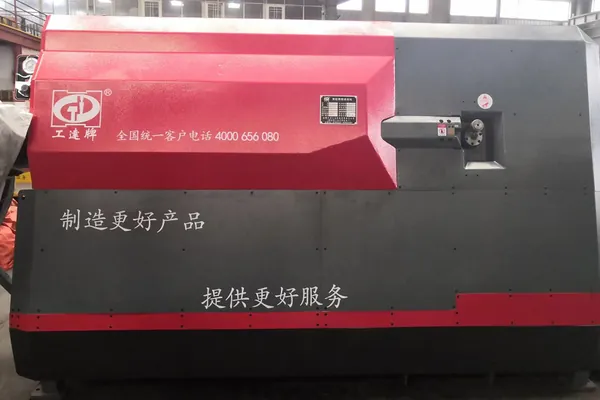
CNC Rebar Forming Machine
CNC rebar forming machine for high-speed forming of stirrups and shaped bars, single and double line operation.
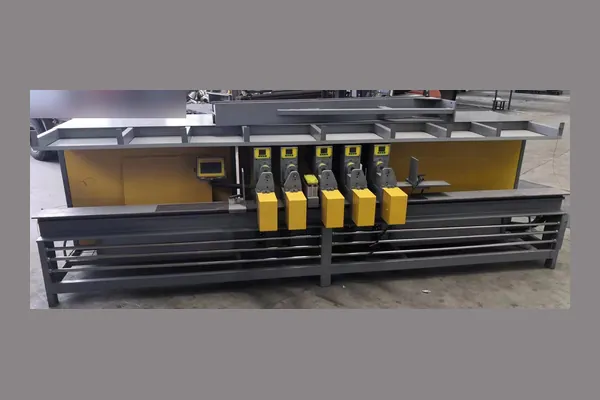
CNC Straightening-Cutting-Stirrup Line
Complete CNC straightening-cutting-stirrup production line combining VFD straightening, hydraulic cutting and five-head stirrup bending.
CNC Five-Head Stirrup Bending Machine
CNC five-head stirrup bending machine producing multiple stirrups per cycle with pneumatic automatic locking.
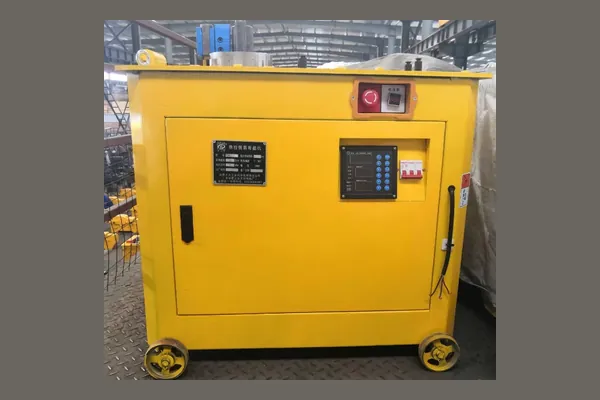
CNC Rebar Stirrup Bending Machine
CNC rebar stirrup bending machine for round steel up to 25 mm, quick and precise stirrup production.
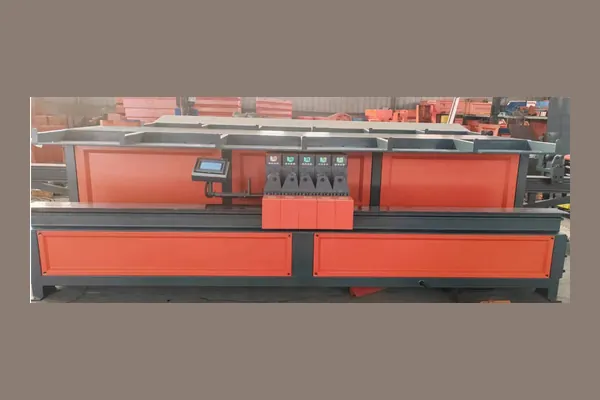
CNC Five-Head Stirrup Bending Machine
CNC five-head stirrup bending machine with hydraulic automatic locking and 8 kW installed power.
More Articles
Single-Line vs Double-Line Rebar Machines: Which to Choose
Single-Line vs Double-Line Rebar Machines: Which to Choose If you are specifying a CNC rebar forming machine f…
Rebar Machine Electricity Requirements (380V, 50/60Hz)
Rebar Machine Electricity Requirements: 380V, 50/60Hz, and Generator Sizing for Remote Sites Most buyers sourc…
How to Calculate Rebar Processing Productivity
How to Calculate Rebar Processing Productivity: Bends Per Hour, Stirrups Per Shift, and Line Throughput Most b…
Rebar Machine Safety Operation Rules
Rebar Machine Safety Operation Rules: A Practical Guide for Buyers and Operators Rebar processing equipment is…
Rebar Machine Maintenance Checklist
Rebar Machine Maintenance Checklist: Daily, Weekly and Monthly Schedules That Prevent Downtime Every hour a CN…
CNC Stirrup Machine Cost and ROI Calculation
CNC Stirrup Machine Cost and ROI Calculation: What Buyers Should Actually Model When a fabrication shop or reb…
Ready to Talk Numbers?
Send us your rebar processing requirements and get a factory-direct quotation within one business day.