
How to Maintain a Rebar Bending Machine: A Checklist
Keeping your rebar bending machine in good working order is not just about avoiding breakdowns—it is about protecting your production schedule and your investment. For rebar fabrication plants, precast yards, and construction contractors, a machine that stops unexpectedly means missed deadlines and extra labor costs. This checklist covers the daily, weekly, and monthly maintenance tasks that will help you get the most from your Gongda equipment, whether you run a CNC rebar bending machine or a five-head stirrup bender. Follow it consistently, and you will reduce downtime and extend the life of your machine.
Daily Maintenance: Quick Checks That Prevent Big Problems
Every day, before starting production, spend 10 minutes on these basic checks. They take little time but can save you from costly repairs later.
- Clean the machine surface: Remove dust, dirt, and rebar scale from the working table and bending tools. For machines like the GJZD6-50CZ CNC rebar bending machine, a clean working table (420 mm) ensures accurate bends and prevents debris from scratching the surface.
- Check for loose bolts and fasteners: Vibrations during operation can loosen bolts. Inspect the main frame, tool holders, and guards. Tighten any that feel loose.
- Lubricate moving parts: Apply a thin coat of oil to the bending spindles, guide rollers, and any sliding surfaces. This reduces friction and wear. Use a machine oil recommended by the manufacturer.
- Inspect the electrical cables and connections: Look for frayed wires or loose plugs. If you see any damage, stop the machine and have an electrician fix it before continuing.
- Check hydraulic fluid level (if applicable): For machines with hydraulic systems, like the GWH50CZN rebar arc bending machine, ensure the fluid is at the correct level. Low fluid can cause erratic operation.
Weekly Maintenance: Deeper Inspection and Adjustment
Once a week, set aside 30–45 minutes for a more thorough check. This helps catch issues that are not obvious on a daily basis.
- Clean and lubricate all guide rails and bearings: Wipe off old grease and apply fresh lubricant to all linear guides, ball screws, and bearings. This is especially important for CNC machines like the ZD-6M-25 CNC five-head stirrup bending machine, which relies on precise movement.
- Check the bending tools for wear: Inspect the bending pins, dies, and mandrels for cracks or excessive wear. Worn tools can produce inaccurate bends and put extra strain on the machine.
- Tighten all bolts and fasteners again: Even if you checked them daily, give them a second look. Re-torque any that are in high-stress areas.
- Test the safety devices: Make sure the emergency stop button works, and that all safety guards are in place and functional. This is critical for operator safety.
- Inspect the hydraulic hoses and fittings: Look for leaks, cracks, or bulges. Replace any damaged hoses immediately. Also check the hydraulic oil for contamination—if it looks milky or has particles, it may need to be changed.
- Clean the electrical cabinet: Use a dry cloth or a low-pressure air blower to remove dust from the control cabinet. Dust can cause overheating and short circuits.
Monthly Maintenance: Comprehensive Care for Long-Term Reliability
Monthly maintenance is about preventing wear and tear before it becomes a problem. Plan for a few hours of downtime, and have spare parts on hand if needed.
- Lubricate all points according to the manual: Follow the lubrication chart in your machine’s manual. Use the correct type and amount of grease or oil for each point. This is the number one way to extend the life of your machine.
- Check and adjust belt tension: If your machine has drive belts, check for proper tension. A loose belt can slip and cause inconsistent bending, while a tight belt can damage bearings.
- Inspect the electrical system thoroughly: Check all wiring for signs of overheating, loose connections, or corrosion. Tighten terminal screws and replace any damaged wires.
- Test the hydraulic system pressure: Use a pressure gauge to verify that the system is operating at the recommended pressure. If it is too low, performance will suffer; too high, and you risk damaging components.
- Check the alignment of the bending tools: Over time, tools can shift slightly. Use a square to ensure that the bending head is perpendicular to the table. Misalignment leads to inaccurate bends.
- Clean the cooling fans and vents: Dust buildup can cause the motor to overheat. Clean them thoroughly to ensure proper airflow.
Seasonal and Long-Term Care: Protecting Your Investment
In addition to the regular checks, consider the environment where your machine operates. If you are in a humid climate or a dusty site, increase the frequency of cleaning and lubrication. If the machine will be idle for more than a week, cover it with a tarp and apply a rust inhibitor to bare metal surfaces. Also, keep a log of all maintenance activities. This helps you spot patterns and plan for part replacements before they cause downtime.
For machines like the GWH50CZN with frequency-converted drive, pay extra attention to the cooling system and the electrical components, as these can be sensitive to temperature changes. And for the ZD-6M-25, which uses pneumatic automatic locking, check the air pressure and the condition of the air hoses regularly.
By following this maintenance checklist, you can keep your Gongda rebar bending machine running smoothly for years. Remember, prevention is always cheaper than repair. If you have any questions about maintaining your specific model, or if you need spare parts, our team is ready to help.
Need a maintenance schedule tailored to your machine or want to order genuine spare parts? Contact us on WhatsApp at +86 193 9277 7259 or email us at yuhua0095@gmail.com. We are here to keep your production line moving.
Send your requirement on WhatsApp — we reply within one business day.
WhatsApp Request a Quote →Products
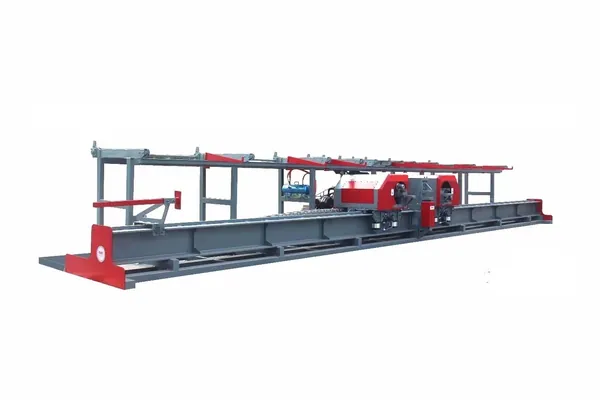
Vertical CNC Rebar Bending Center
Vertical CNC rebar bending center for high-precision bending of bars from 10 to 32 mm with automated positioning.
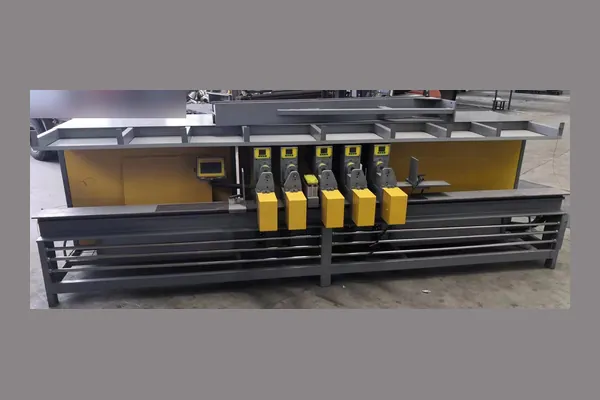
CNC Straightening-Cutting-Stirrup Line
Complete CNC straightening-cutting-stirrup production line combining VFD straightening, hydraulic cutting and five-head stirrup bending.
CNC Five-Head Stirrup Bending Machine
CNC five-head stirrup bending machine producing multiple stirrups per cycle with pneumatic automatic locking.
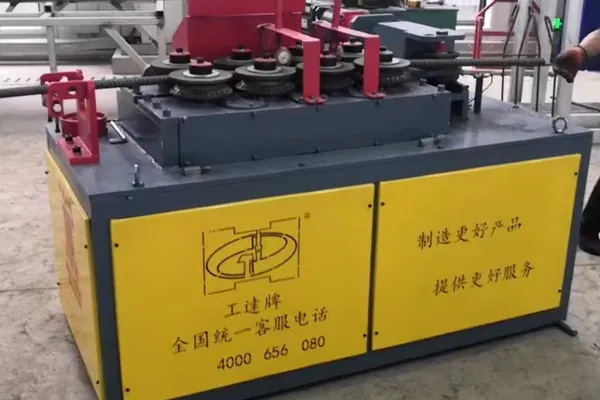
CNC Rebar Arc Bending Machine
CNC rebar arc bending machine handling bars up to 40 mm with servo control and touch-screen PLC programming.
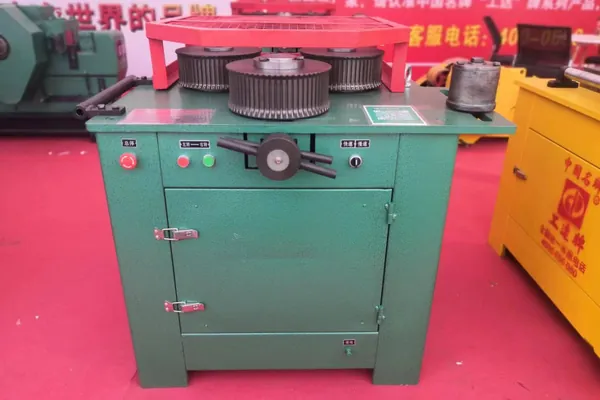
Rebar Arc Bending Machine
Heavy-duty rebar arc bending machine for bars up to 50 mm, ideal for large-radius arc bending on site.
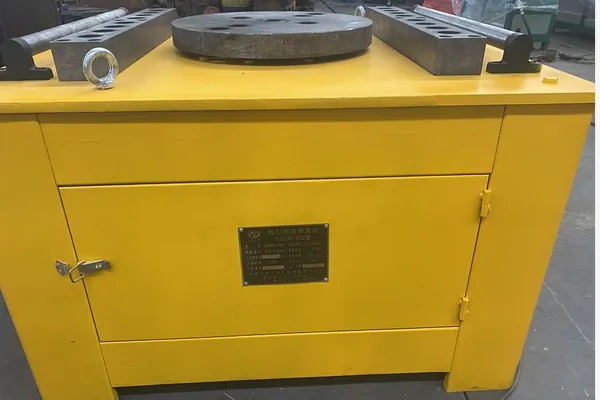
CNC Rebar Bending Machine
CNC rebar bending machine bending A3 steel up to 65 mm with a 550 mm working table.
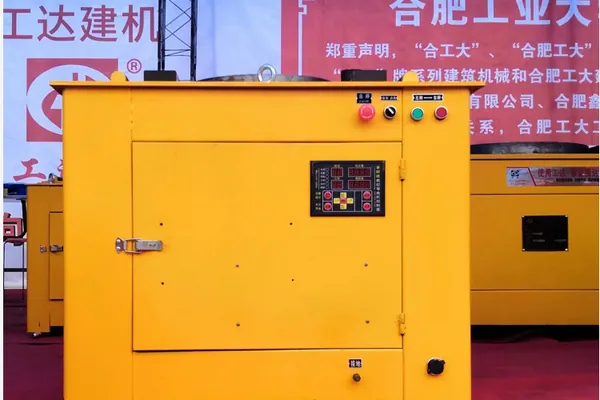
CNC Rebar Bending Machine
CNC rebar bending machine for bars up to 50 mm with a 420 mm working table.
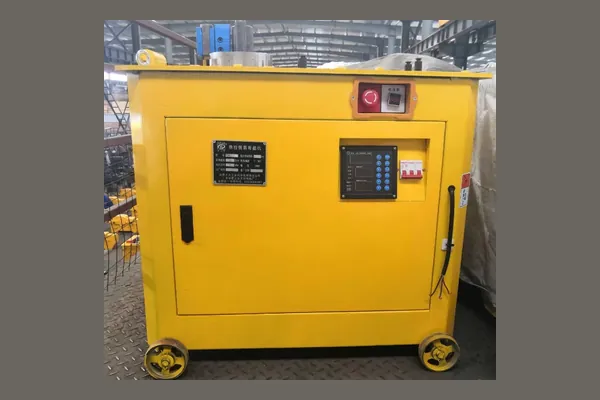
CNC Rebar Stirrup Bending Machine
CNC rebar stirrup bending machine for round steel up to 25 mm, quick and precise stirrup production.
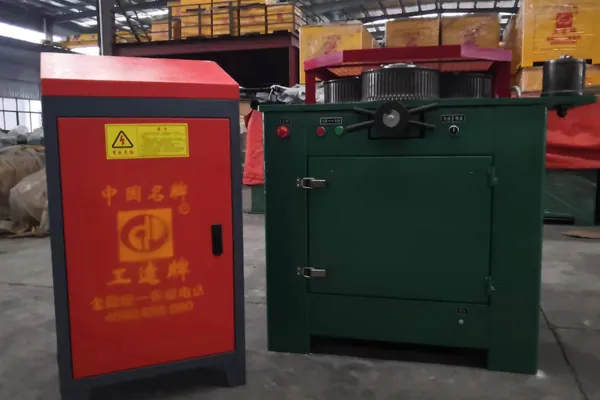
Rebar Arc Bending Machine (Upgraded)
Upgraded rebar arc bending machine for bars up to 50 mm with frequency-converted drive.
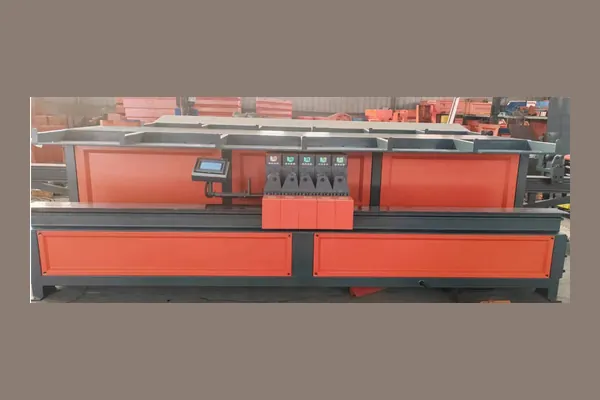
CNC Five-Head Stirrup Bending Machine
CNC five-head stirrup bending machine with hydraulic automatic locking and 8 kW installed power.
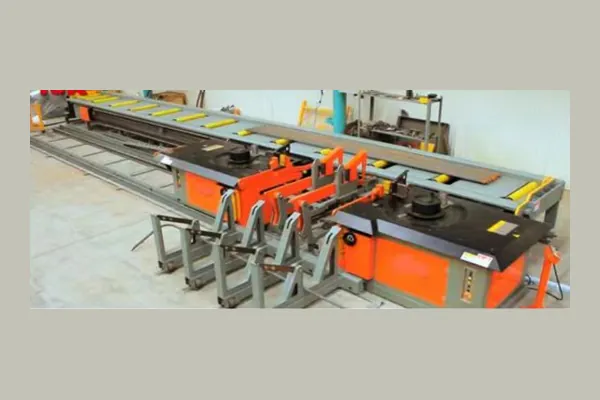
CNC Plane Rebar Bending Center
CNC plane rebar bending center for heavy production up to 50 tons per day, compliant with GB/T 232-2010.
More Articles
Single-Line vs Double-Line Rebar Machines: Which to Choose
Single-Line vs Double-Line Rebar Machines: Which to Choose If you are specifying a CNC rebar forming machine f…
Rebar Machine Electricity Requirements (380V, 50/60Hz)
Rebar Machine Electricity Requirements: 380V, 50/60Hz, and Generator Sizing for Remote Sites Most buyers sourc…
How to Calculate Rebar Processing Productivity
How to Calculate Rebar Processing Productivity: Bends Per Hour, Stirrups Per Shift, and Line Throughput Most b…
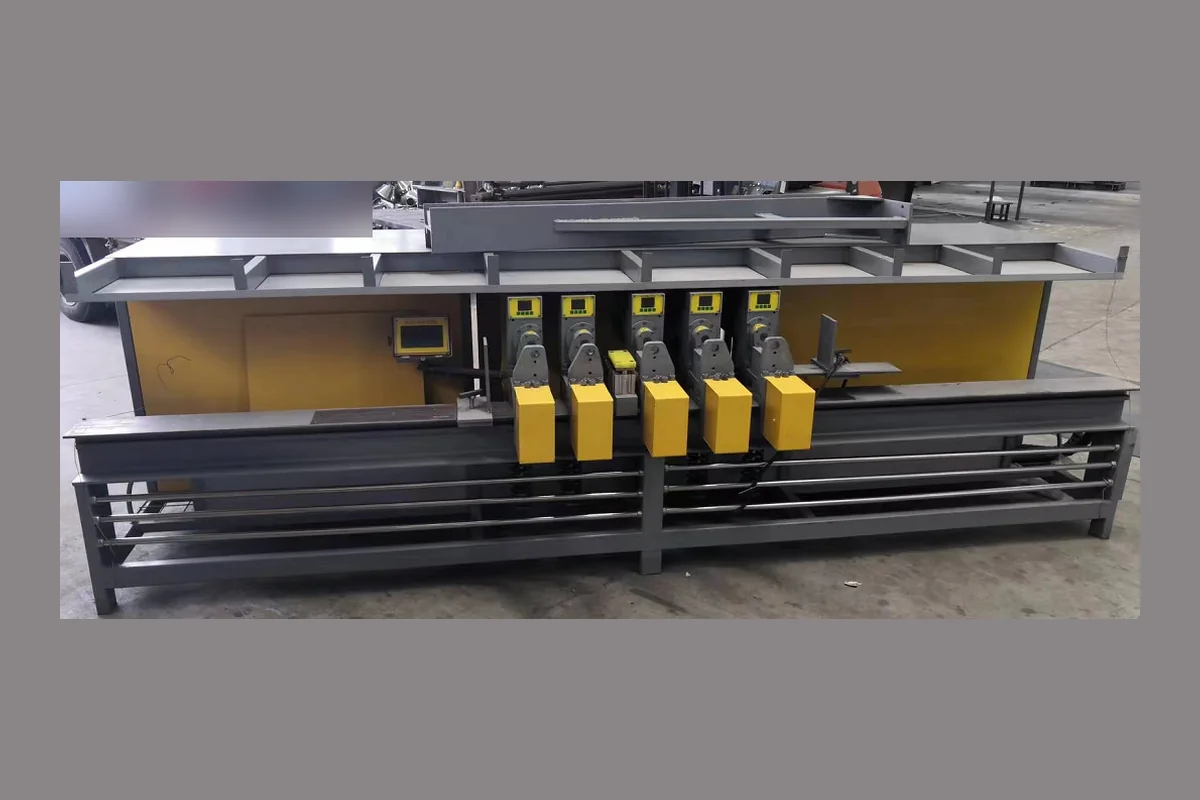
Rebar Machine Safety Operation Rules
Rebar Machine Safety Operation Rules: A Practical Guide for Buyers and Operators Rebar processing equipment is…
Rebar Machine Maintenance Checklist
Rebar Machine Maintenance Checklist: Daily, Weekly and Monthly Schedules That Prevent Downtime Every hour a CN…
CNC Stirrup Machine Cost and ROI Calculation
CNC Stirrup Machine Cost and ROI Calculation: What Buyers Should Actually Model When a fabrication shop or reb…
Ready to Talk Numbers?
Send us your rebar processing requirements and get a factory-direct quotation within one business day.