
Rebar Processing Machines for Bridge Construction
Rebar Processing Machines for Bridge Construction: Arc Bending, Stirrups, and Pier Cages
Bridge work is not building work. A high-rise slab tolerates small dimensional drift; a pier cage does not. Once a spiral or circular stirrup is bent to the wrong radius, the cover is gone, and no amount of tying will bring it back. That is why bridge contractors specify rebar processing equipment by function — one machine for arc bending, one for stirrups, one for cutting and straightening — rather than buying a single general-purpose bender and hoping.
This guide covers the three machine groups that decide whether a pier or girder cage fits: arc bending machines, stirrup benders, and the cutting/straightening equipment that feeds them. Model references are from Gongda (Hefei University of Technology electromechanical works), which exports these machines to Russia, Spain, Latin America, the Middle East, Southeast Asia, and Africa, with EAC certification available.
1. Arc Bending: Piers, Spirals, and Curved Girder Bars
Arc bending is the operation most often underestimated in bridge precast yards. Pier columns, circular pile cages, tunnel linings, and curved girder reinforcement all need consistent radius bends — not a one-off bend, but dozens or hundreds of identical arcs.
Choosing by bar diameter
- GWH50CG / GWH50CZN arc bending machine — handles rebar up to 50 mm. Suited to large-diameter pier main bars and heavy spiral work. The CZN variant is the choice where a contractor needs programmable, repeatable arc sequences rather than manual stroke control.
- SKDZWH-36 / GDWHWQ-36 CNC arc bender — 36 mm capacity. This is the practical workhorse for bridge pier spirals and medium-diameter curved bars, with CNC control for consistent radius and pitch across a production run.
Practical advice
Match the machine to the largest bar in the cage, not the average. A pier cage with 40 mm main bars and 12 mm spirals should be planned around a 50 mm-capacity machine if the mains need arcing, and a 36 mm CNC unit if only the spiral and secondary bars are curved. Also confirm the minimum bending radius your drawing allows — tight radii on large bars cause surface cracking, and no machine setting will fix a radius the steel cannot take.
2. Stirrups: Square, Rectangular, and Circular
Pier and girder cages consume stirrups in volume. A single bridge pier may take several hundred identical rectangular stirrups, plus circular or spiral ties. Manual bending at this volume produces inconsistent hook angles and slow assembly.
Single-head and multi-head options
- GW25 CNC single-head stirrup bender — round steel up to 25 mm. One bar at a time, fully automatic feeding, bending, and cutting. Best where stirrup sizes vary frequently between pier types.
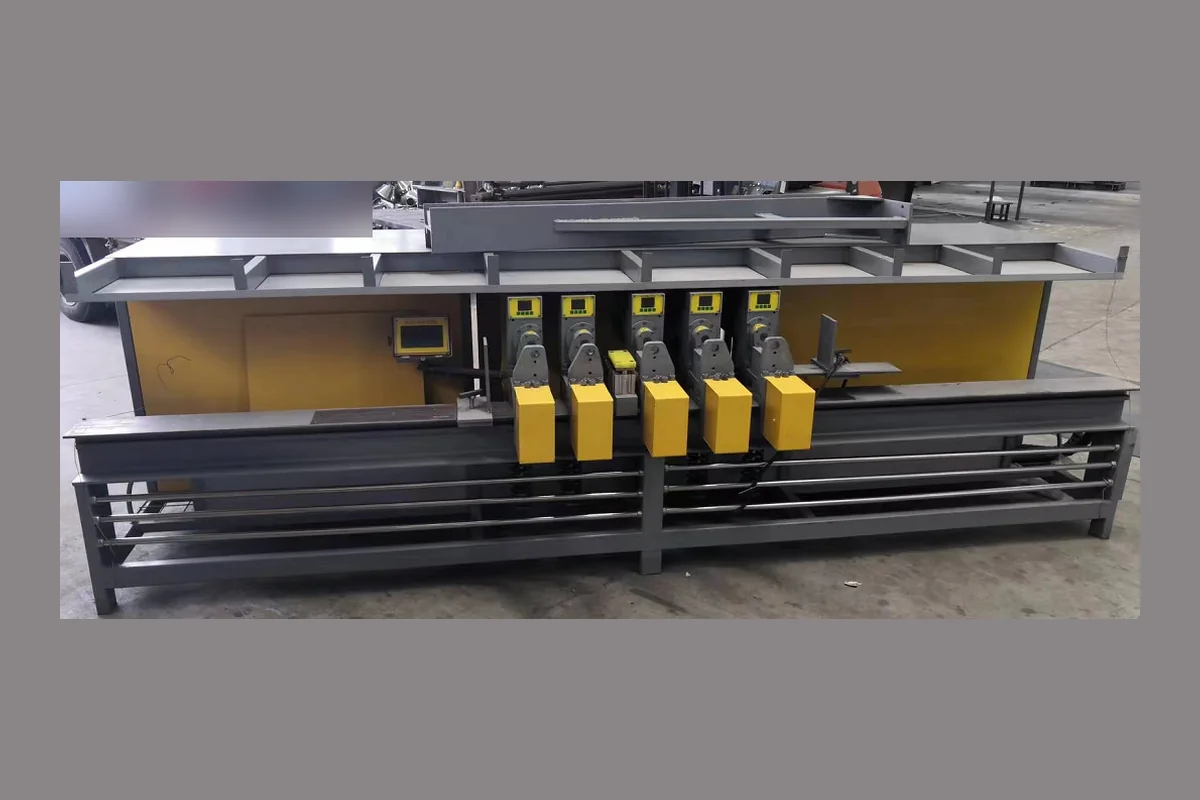
- ZD-6M-25 five-head stirrup machine — 25 mm capacity, five bending heads working simultaneously. This is the volume answer for a precast yard producing repeated identical stirrups for girders or standard piers.
- ZD-6M-20 five-head stirrup machine — 20 mm capacity, the same multi-head logic for lighter stirrup schedules, common in Southeast Asian and African bridge projects using smaller bar sizes.
Practical advice
Five-head machines pay back when the stirrup schedule repeats. If every pier on the project uses the same stirrup dimensions, a ZD-6M-25 will outproduce several single-head units. If the design changes every 20 metres, a GW25 with quick program changeover is the more sensible buy. Confirm hook angle and tail length tolerances with your cage assembly method before ordering — some contractors tie hooks at 135°, others specify 90° with a longer tail for seismic zones.
3. Cutting and Straightening: Feeding the Cage Line
Arc benders and stirrup machines are only as good as the bar they are fed. Coiled rebar must be straightened and cut to length first; cut lengths must be accurate or the cage closure will not meet.
- YGT4-15A straightening and cutting machine — 4–15 mm range with variable frequency drive (VFD). The VFD matters: it lets you tune feed speed to bar condition, reducing surface damage on coiled stock and improving length consistency.
- GQ70A cutting machine — 70 mm capacity, 160-ton shear force. For bridge work with large-diameter pier bars, this is the upper end of the range.
- GQ50A cutting machine — cuts 6–50 mm round steel and 6–36 mm ribbed bar. The standard choice for most pier and girder cage work.
- GDQX-500 hydraulic rebar shearing production line — for yards processing high daily tonnage, where manual feeding becomes the bottleneck.
4. Bending Centers for Complex Cage Geometry
Where a pier cage includes bent main bars, closed ties, or three-dimensional geometry, a bending center replaces several single-function machines:
- GJZD6-50CZ CNC bending machine — up to 50 mm, 420 mm working table.
- GJZD6-65CZ CNC bending machine — up to 65 mm for heavy bridge and infrastructure bars.
- GDLWZX-32 vertical bending center — 32 mm, vertical orientation for long bars that are difficult to handle horizontally.
- GDPMW-60 plane bending center — 60 mm, for large flat-plane bends.
- GDWQ4-15A CNC rebar forming machine — single or double line, for high-volume forming of smaller-diameter shapes.
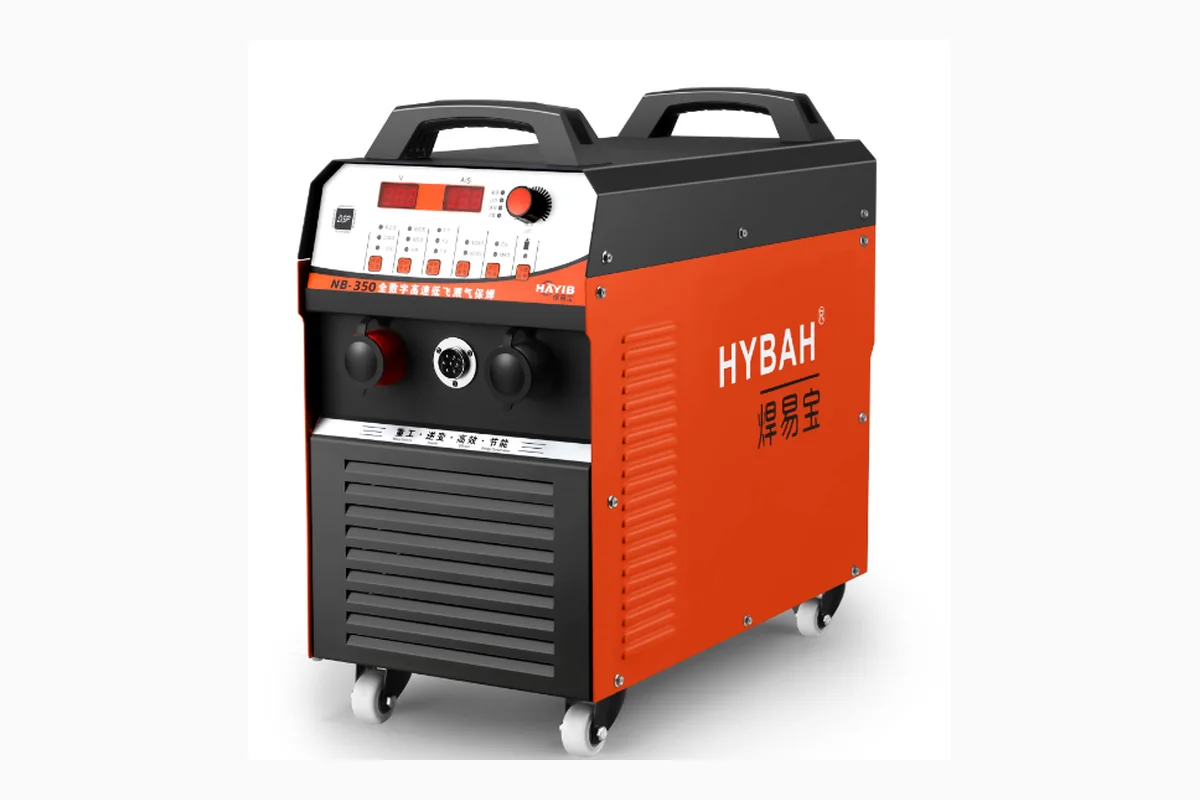
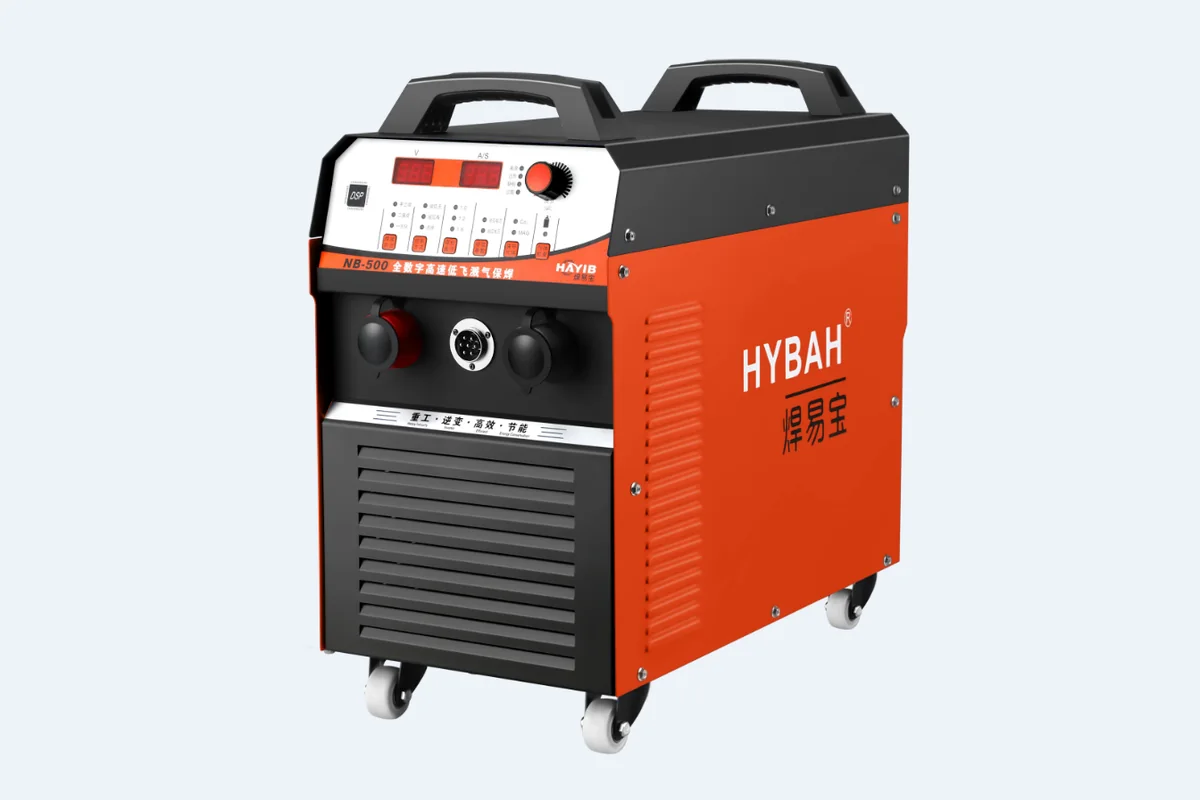
Supporting equipment in the same line includes the GD-350ZD band saw (350 mm) for clean cuts on heavy sections, the HGS-40 thread rolling machine (40 mm) for mechanical couplers in pier cages, the ZDTHJ-12 automatic spring making machine (12 mm), and NB-350 / NB-500 CO2 MIG welders for cage fabrication and fixing.
Specifying for a Bridge Project
Work backwards from the cage drawing. Identify the largest bar diameter, the tightest bend radius, the stirrup repetition rate, and the daily tonnage. Then match: arc bender capacity to the largest curved bar, stirrup machine head count to the repetition rate, and cutting/straightening capacity to the tonnage. Contractors buying for bridge work in Russia, the Middle East, or Latin America should also confirm certification requirements early — EAC certification is available for these machines.
For model selection, capacity confirmation, or a quote, contact Gongda via WhatsApp at +86 193 9277 7259 or email yuhua0095@gmail.com.
Send your requirement on WhatsApp — we reply within one business day.
WhatsApp Request a Quote →More Articles
Single-Line vs Double-Line Rebar Machines: Which to Choose
Single-Line vs Double-Line Rebar Machines: Which to Choose If you are specifying a CNC rebar forming machine f…
Rebar Machine Electricity Requirements (380V, 50/60Hz)
Rebar Machine Electricity Requirements: 380V, 50/60Hz, and Generator Sizing for Remote Sites Most buyers sourc…
How to Calculate Rebar Processing Productivity
How to Calculate Rebar Processing Productivity: Bends Per Hour, Stirrups Per Shift, and Line Throughput Most b…
Rebar Machine Safety Operation Rules
Rebar Machine Safety Operation Rules: A Practical Guide for Buyers and Operators Rebar processing equipment is…
Rebar Machine Maintenance Checklist
Rebar Machine Maintenance Checklist: Daily, Weekly and Monthly Schedules That Prevent Downtime Every hour a CN…
CNC Stirrup Machine Cost and ROI Calculation
CNC Stirrup Machine Cost and ROI Calculation: What Buyers Should Actually Model When a fabrication shop or reb…
Ready to Talk Numbers?
Send us your rebar processing requirements and get a factory-direct quotation within one business day.