
Rebar Processing for High-Rise Buildings
Rebar Processing for High-Rise Buildings: Matching Machines to Columns, Beams, Shear Walls and Cages
High-rise construction puts pressure on rebar fabrication that low-rise work never exposes. Column cages run 12–18 m per floor, shear walls demand dense, accurately spaced stirrups, and beam cages must be assembled to tight tolerances before they ever reach the deck. If your cutting, bending and cage assembly steps are not planned around the actual member types, you get rework, rejected cages and crane time wasted on fits that should have been solved in the yard. This guide breaks down how to match Gongda rebar processing equipment to the four main structural elements, and how to plan output so the fabrication yard keeps pace with the climbing formwork.
Columns: Heavy Bars, Tight Ties, Repeatable Bends
Columns in high-rise frames typically use 25–40 mm main bars with closely spaced rectangular ties. The two bottlenecks are cutting accuracy on large diameters and consistent tie geometry.
- Cutting: For main bars up to 50 mm, the GQ50A handles 6–50 mm round and 6–36 mm ribbed stock. For 70 mm capacity and 160-ton shear force, the GQ70A covers the heaviest column bundles without deformation at the cut face.
- Tie and stirrup production: The GW25 CNC single-head stirrup bender takes round steel up to 25 mm and produces column ties with repeatable corner radii — critical when 40+ identical ties are needed per column lift.
- Volume tie output: Where a floor has dozens of columns, the ZD-6M-25 five-head stirrup machine (25 mm) or ZD-6M-20 (20 mm) produces multiple stirrups per cycle, which is usually the difference between feeding the cage jig on time and stopping the crew.
Practical note: specify tie dimensions from the inside face and confirm the bender's bend deduction before the first batch. A 2 mm error per tie becomes a 60 mm cumulative problem over 30 ties in a column cage.
Beams: Long Cuts, Deep Bends, Cage Assembly
Beam cages combine long straight bars, bent-up bars and dense shear reinforcement near supports. Accuracy at the bend position matters more than raw speed.
- Straightening and cutting: The YGT4-15A straightening and cutting machine (4–15 mm) with VFD gives stepless speed control, so coil stock feeds at a rate matched to downstream demand rather than running flat out and creating buffer piles.
- Bending: The GJZD6-50CZ CNC bending machine (up to 50 mm, 420 mm working table) and the larger GJZD6-65CZ (up to 65 mm) handle beam main bars and bent-up bars. CNC positioning removes the manual layout step on repetitive beam schedules.
- Heavy forming: For large-radius beam transitions and curved elements, the GDWQ4-15A CNC rebar forming machine runs single or double line, useful when beam and slab bars are formed off the same schedule.
Shear Walls: The Real Volume Driver
Shear walls consume the most stirrups and horizontal distribution bars per floor, and they are almost always the schedule item that falls behind. Two decisions control wall output:
- Stirrup machine selection: For walls with 10–20 mm ties, the ZD-6M-20 five-head machine is the volume workhorse. For heavier wall reinforcement up to 25 mm, the ZD-6M-25 or GW25 single-head bender covers the range.
- Arc and curved wall sections: Curved shear walls, core walls and radius transitions need controlled arc bending. The GWH50CG / GWH50CZN arc bending machine handles up to 50 mm, while the SKDZWH-36 / GDWHWQ-36 CNC arc bender (36 mm) gives programmable radius control for repeated curved wall segments.
Because wall stirrups are small, light and produced in the thousands, they should be batched by size and run in dedicated campaigns — not mixed into column or beam runs. Switching a five-head machine between tie sizes costs more time than most fabricators estimate.
Cages: Bending Centers and Assembly Throughput
Cage fabrication is where bending capacity and assembly layout meet. For large planar cages and mats, the GDPMW-60 plane bending center (60 mm) handles flat, multi-directional bending in one setup. For vertical cage work and three-dimensional bending, the GDLWZX-32 vertical bending center (32 mm) reduces the need to rotate heavy cages during forming.
Supporting equipment in the cage yard typically includes:
- GD-350ZD band saw (350 mm) for clean, low-heat cuts on large-diameter bar where shear deformation is unacceptable.
- HGS-40 thread rolling machine (40 mm) for mechanical couplers — increasingly specified in high-rise columns where lap lengths are impractical.
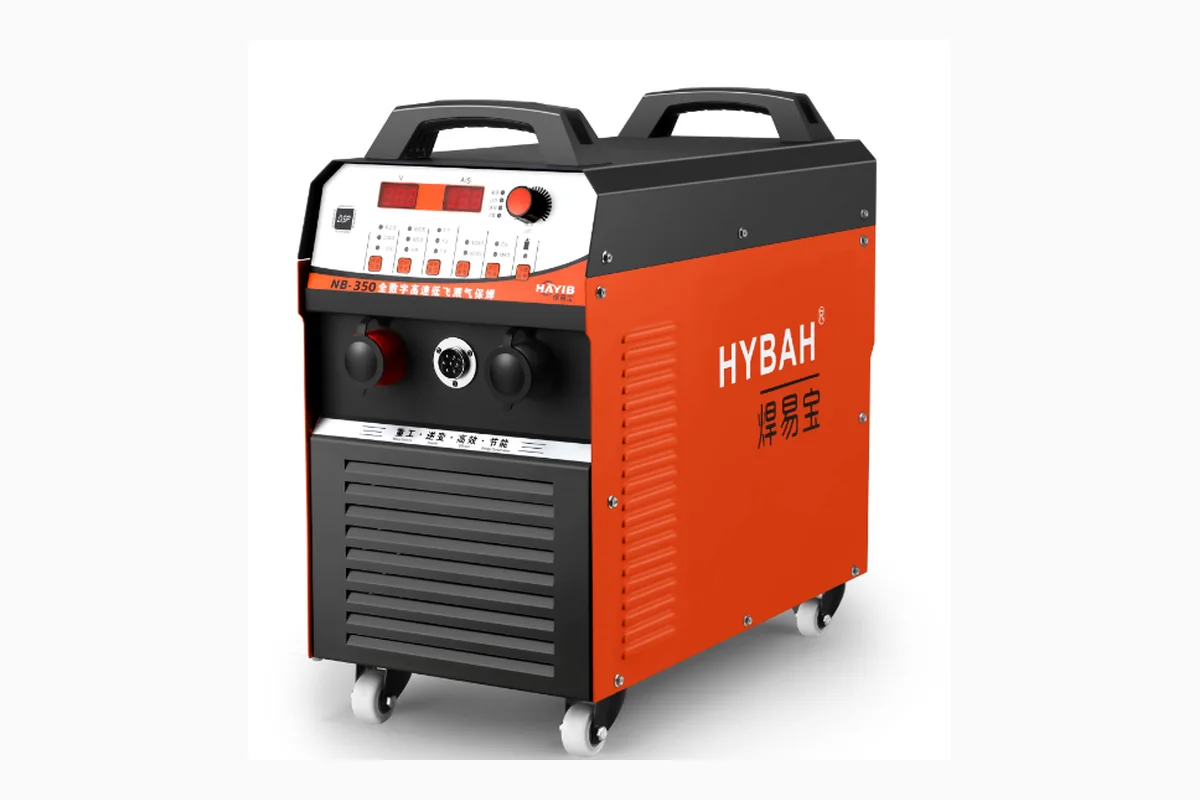
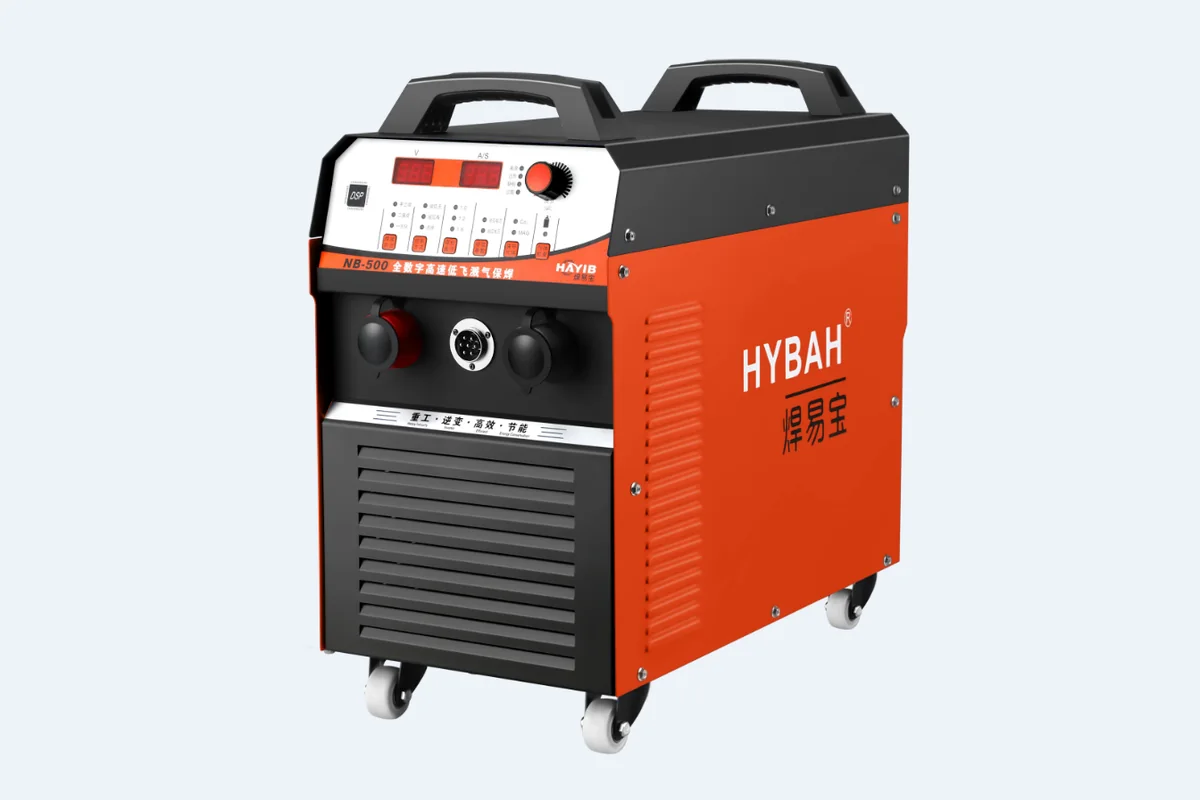
- NB-350 and NB-500 MIG/CO2 welders for cage tacking, embed plates and connection details.
- ZDTHJ-12 automatic spring making machine (12 mm) for spiral and spring-form reinforcement used in specific column and pile details.
Output Planning: Sizing the Yard to the Floor Cycle
Work backward from the floor cycle. If a typical high-rise floor takes 5 days and requires 1,200 wall stirrups, 300 column ties and 180 beam stirrups, the fabrication yard must produce roughly 340 stirrups per day — before accounting for rework and change orders. A single-head bender will not meet that; a five-head machine plus one CNC bender usually will, with margin.
Three planning rules that hold up in practice:
- Separate cutting from bending. Run the GDQX-500 hydraulic rebar shearing production line or GQ70A on a dedicated cut schedule so benders are never waiting on stock.
- Batch by diameter and shape. Group all 12 mm wall stirrups, then all 16 mm, then column ties. Machine changeover, not machine speed, is the usual hidden loss.
- Hold buffer at the cage jig, not at the machine. A one-day buffer of finished stirrups at the assembly station absorbs schedule shocks better than a pile of uncut bar.
Export, Certification and Support
Gongda rebar processing machines are exported to Russia, Spain, Latin America, the Middle East, Southeast Asia and Africa, with EAC certification available for Russian and Eurasian Economic Union projects. The factory is rooted in the electromechanical works of Hefei University of Technology in Hefei, Anhui, China, which is relevant when you need non-standard tooling or capacity verification for a specific bar schedule.
For model selection against your actual column, beam and wall schedules, contact the export team directly: WhatsApp +86 193 9277 7259 or email yuhua0095@gmail.com. Send bar diameters, stirrup dimensions and required daily output, and you will get a machine configuration sized to your floor cycle rather than a generic catalogue recommendation.
Send your requirement on WhatsApp — we reply within one business day.
WhatsApp Request a Quote →More Articles
Single-Line vs Double-Line Rebar Machines: Which to Choose
Single-Line vs Double-Line Rebar Machines: Which to Choose If you are specifying a CNC rebar forming machine f…
Rebar Machine Electricity Requirements (380V, 50/60Hz)
Rebar Machine Electricity Requirements: 380V, 50/60Hz, and Generator Sizing for Remote Sites Most buyers sourc…
How to Calculate Rebar Processing Productivity
How to Calculate Rebar Processing Productivity: Bends Per Hour, Stirrups Per Shift, and Line Throughput Most b…
Rebar Machine Safety Operation Rules
Rebar Machine Safety Operation Rules: A Practical Guide for Buyers and Operators Rebar processing equipment is…
Rebar Machine Maintenance Checklist
Rebar Machine Maintenance Checklist: Daily, Weekly and Monthly Schedules That Prevent Downtime Every hour a CN…
CNC Stirrup Machine Cost and ROI Calculation
CNC Stirrup Machine Cost and ROI Calculation: What Buyers Should Actually Model When a fabrication shop or reb…
Ready to Talk Numbers?
Send us your rebar processing requirements and get a factory-direct quotation within one business day.